
Reducing car dependency while gaining convenience and saving money is an increasingly appealing prospect. This guide explores how e-bikes can realistically replace up to 80% of typical car trips, offering practical strategies and detailed considerations for making this transition effectively by 2026.
Can an E-Bike Really Replace 80% of Your Car Trips?

The claim sounds optimistic, but the data is starting to back it up. A 2025 summary of North American e-bike owner research — covered by CleanTechnica and drawing on Portland State University-related studies — found that about 65% of e-bike owners cited replacing car trips as one of their primary reasons for buying. The same research reported that e-bike rides replaced 1,778 motor vehicle miles across the surveyed sample, with an average trip replacement distance of 9.3 miles. That is not a rounding error. For most urban and suburban drivers whose daily errands, school runs, and commutes fall well under ten miles, a well-chosen e-bike is a genuinely practical substitute — not a lifestyle accessory.
This guide is built for 2025–2026 buyers who want an honest framework for making that switch, not a list of inflated specs. Here is what the research actually supports.
What Makes an E-Bike Capable of Replacing Car Trips (Not Just Supplementing Them)
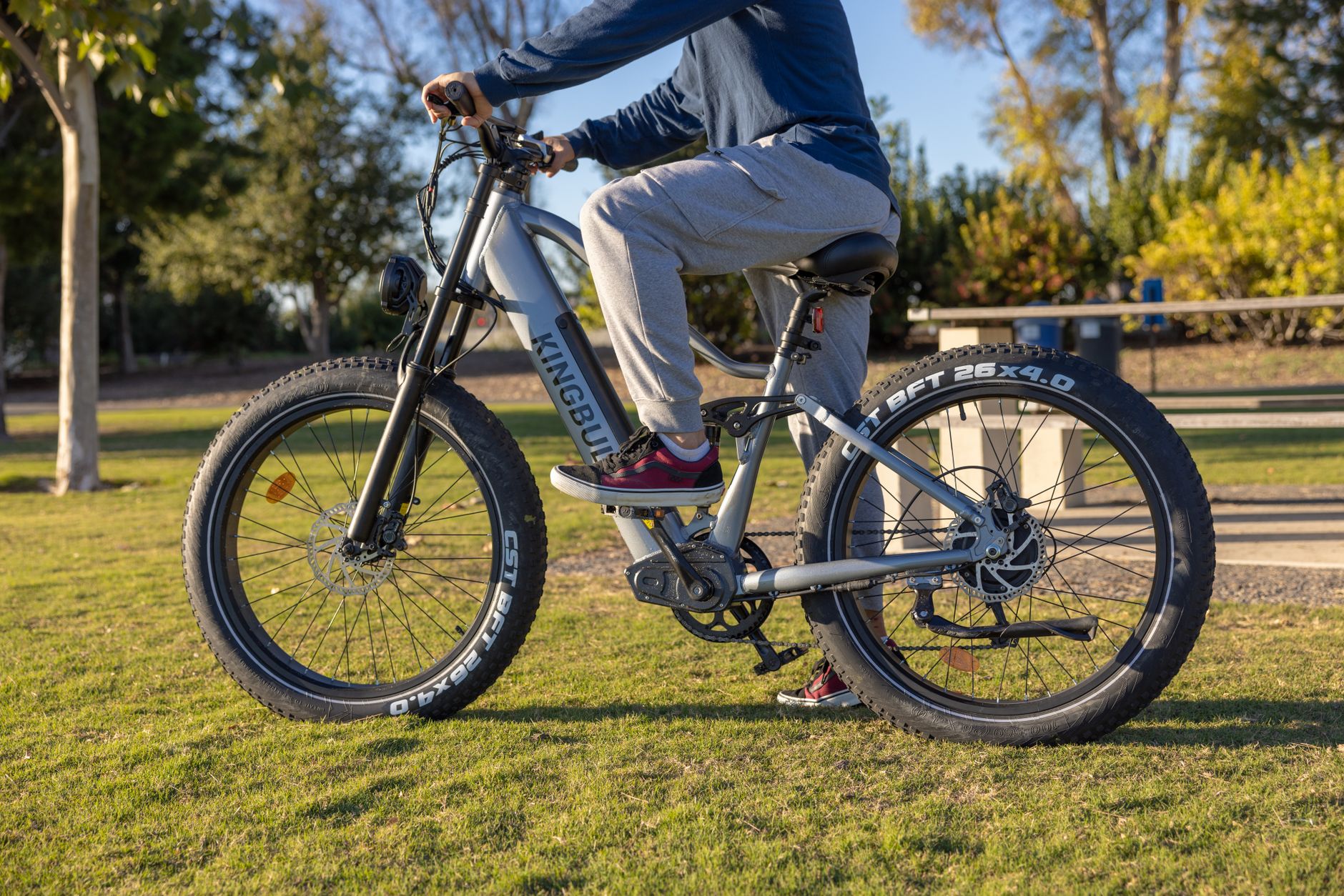
The gap between “fun weekend ride” and “actual car replacement” comes down to a short list of practical specs. Based on current buyer guides and owner survey data, the features that matter most for trip replacement are:
- Cargo capacity and rack integration. If you are replacing grocery runs, school drop-offs, or multi-stop shopping trips, carrying capacity is non-negotiable. A longtail cargo frame — with rear deck, front rack options, and pannier compatibility — is what separates a commuter bike from a genuine car substitute. A solo commuter frame is fine for point-A-to-point-B rides but will fail you at the supermarket.
- Battery range matched to your actual trips. Many urban commutes are only 3–6 miles each way, which means an enormous battery pack is often unnecessary. What matters is that your battery covers your longest realistic round trip on a single charge, including stops, hills, and cargo weight. Oversizing the battery adds cost and weight without adding practical value for most users.
- Motor assistance and throttle availability. Throttle control is especially relevant for riders who need to restart on hills, carry heavy loads, or manage joint pain. A 2025 buyer’s guide for comfort-focused riders specifically highlights throttle, suspension, and step-through frames as features that make e-bikes usable for a wider range of people — not just athletic commuters.
- Weight and storage reality. Integrated e-bikes commonly weigh between 40 and 70 pounds. That is a meaningful constraint if you live in an apartment with stairs, need to lift the bike onto transit, or share a small storage space. Folding models help with storage but typically sacrifice cargo capacity.
- Braking quality and local service access. E-bike components are more specialized than standard bicycle parts and can be significantly more expensive to repair. Before buying, confirm whether a certified service provider exists within a reasonable distance. This is not a minor detail — it directly affects your long-term cost of ownership.
The Best E-Bike Categories for Car-Trip Replacement in 2026
For a deeper look at specific models, see our best electric bikes roundup. Here is how the main categories break down for trip replacement specifically:
Longtail cargo e-bikes are the strongest all-around option for replacing the widest share of car trips. Models like the Rad Power RadWagon, Aventon Abound, Lectric XPedition, and Tern GSD are all designed around hauling — whether that means groceries, a child seat, work gear, or all three at once. The Tern GSD stands out as a premium option with a compact footprint despite its cargo capacity, making it more manageable in tight urban storage. The tradeoff across this category is weight and price: quality cargo e-bikes commonly run $1,500 to well over $5,000, and their heft makes apartment storage genuinely inconvenient. Prices for specific models were not confirmed in our sourced research at time of publication — check manufacturer sites directly for current pricing.
Utility commuters like the Aventon Level.2 are a middle-ground option for riders whose car trips are mostly solo — commuting, light errands, or short social trips without heavy cargo. They are typically lighter and more affordable than full longtails, but their carrying capacity is limited. If your 80% of car trips involve only yourself and a bag, a commuter class bike may be entirely sufficient. If they regularly involve a child or a week’s worth of groceries, they will fall short.
Folding and compact e-bikes, led by options like the Lectric XP series, are best for riders with strict storage constraints — small apartments, mixed transit commutes, or travel. They are often the most affordable entry point and the easiest to store. The honest tradeoff is that they are the least capable of replacing cargo-heavy car trips; their smaller wheels and limited rack options make them better suited to short solo errands than full grocery substitution.
A Realistic 30-Day Transition Plan
Switching from car to e-bike for most trips does not happen overnight, and trying to force it typically leads to frustration. A more reliable approach — supported by practical transition guides — is gradual substitution:
- Week 1–2: Map your most frequent short trips (under 5 miles) and identify which ones have safe, bikeable routes. Ride those first, without cargo pressure.
- Week 3: Add one cargo trip per week — a grocery run or errand — to test your carrying setup. Adjust rack, bag, or pannier configuration based on what actually fits.
- Week 4: Evaluate which trips still require the car and why. Common blockers include highway-only routes, weather, or trip combinations with multiple passengers. These are legitimate constraints, not failures.
Practical maintenance also matters here. Route planning guides recommend checking tires, brakes, drivetrain, and all bolts regularly — and for longer riding days, carrying a charger or knowing where charging stops are available. Range anxiety is a real but manageable issue when you plan for it proactively rather than reactively.
Genuine Tradeoffs You Should Weigh Before Buying
The 2025 owner research also found that 60% of e-bike owners felt safer on an e-bike than on a traditional bicycle — a notable finding, likely linked to the confidence that motor assistance provides in traffic. But safety on the road depends heavily on local infrastructure, and no e-bike compensates for a route with no protected lanes or dangerous intersections. Assess your actual routes honestly before committing.
Cost remains the most common barrier. A quality cargo e-bike is a significant purchase, and repair complexity adds to the long-term total. If local service support is unavailable, factor in higher maintenance risk from the start. This is especially relevant for buyers in smaller markets or rural areas.
The Bottom Line: Who Should Buy What
For buyers who want to replace the largest share of car trips — including grocery runs, kid transport, and multi-stop errands — a longtail cargo e-bike is the clear category winner. It is the only format with the carrying capacity and utility to match what a car does for most households. Our current pick for best overall value-to-utility in this category would be informed by verified current pricing; check our cargo e-bike reviews for up-to-date model comparisons.
For riders whose car trips are primarily solo commutes and light errands, a mid-range utility commuter will do the job with less weight and cost. For apartment dwellers with no cargo needs, a folding model is the most practical starting point.
The research is clear that e-bikes are replacing car trips at meaningful scale. The question for 2026 buyers is not whether it is possible — it is whether you have chosen the right tool for your specific trips. See our e-bike buying guide for a full spec-by-spec comparison.
Sources
- CleanTechnica — Are Electric Bikes Actually Replacing Car Trips Now? (2025)
- Clip.bike — E-Bike Conversion Kit or E-Bike: A Complete Guide
- Retrospec — How to Go Car-Light with an E-Bike: A 30-Day Transition Plan
- Cyrusher — Can an E-Bike Replace a Car?
- Himiway — Best Electric Bikes for Arthritis: Complete Buyer’s Guide
Disclosure: This article was produced with AI-assisted research and may contain affiliate links. VoltVentureLab may earn a commission on qualifying purchases at no additional cost to you.