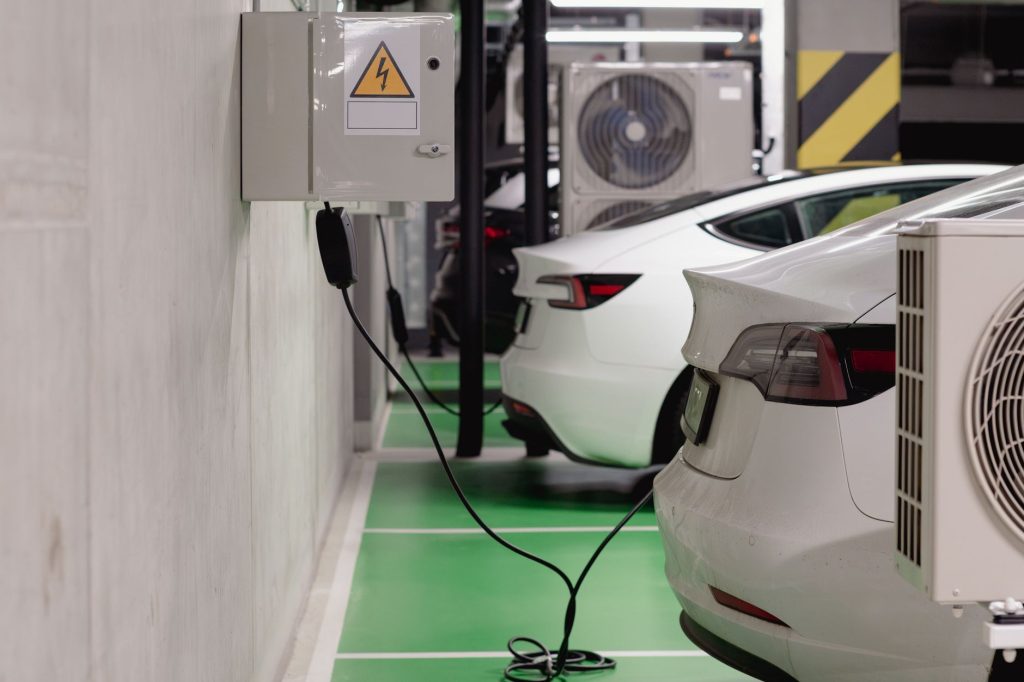
As electric vehicle ownership becomes more widespread, securing a reliable and efficient home charging solution is a key consideration for many drivers. This guide compiles extensive research on the best Level 2 EV chargers expected to be prominent in 2026, analyzing their features, performance, and value. Our aim is to provide clear, actionable insights, enabling you to confidently select the ideal charger for your specific garage and charging needs.
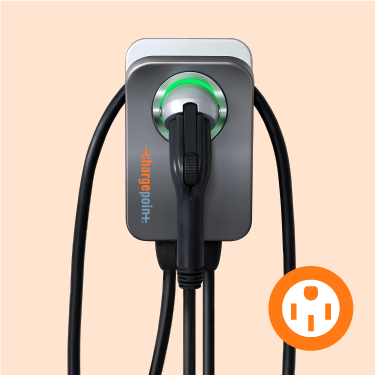 Top Pick
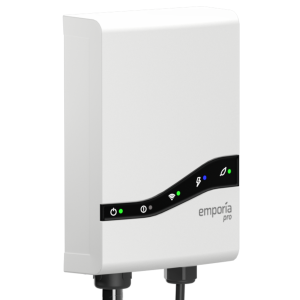 Budget Pick
Why a Level 2 Home Charger Is Worth the Upgrade

If you’re relying on the 120-volt “convenience cord” that shipped with your EV, you already know the frustration: overnight charging that barely keeps pace with daily driving. A dedicated Level 2 charger — running on a 240-volt circuit, typically between 16 and 50 amps — can deliver anywhere from roughly 10 to 30 miles of range per hour, turning a multi-day top-up into a single overnight charge. For most households, installing one is the single most impactful EV upgrade available.
This guide explains what actually matters when choosing a home Level 2 charger, outlines the categories of products worth considering in 2025, and gives you an honest framework for making the right call — without overpromising on specs we can’t currently verify down to the dollar.
For context on the broader EV ecosystem, see our guides on best electric cars for 2025 and home solar and EV charging bundles.
What to Look for in a Level 2 Home Charger
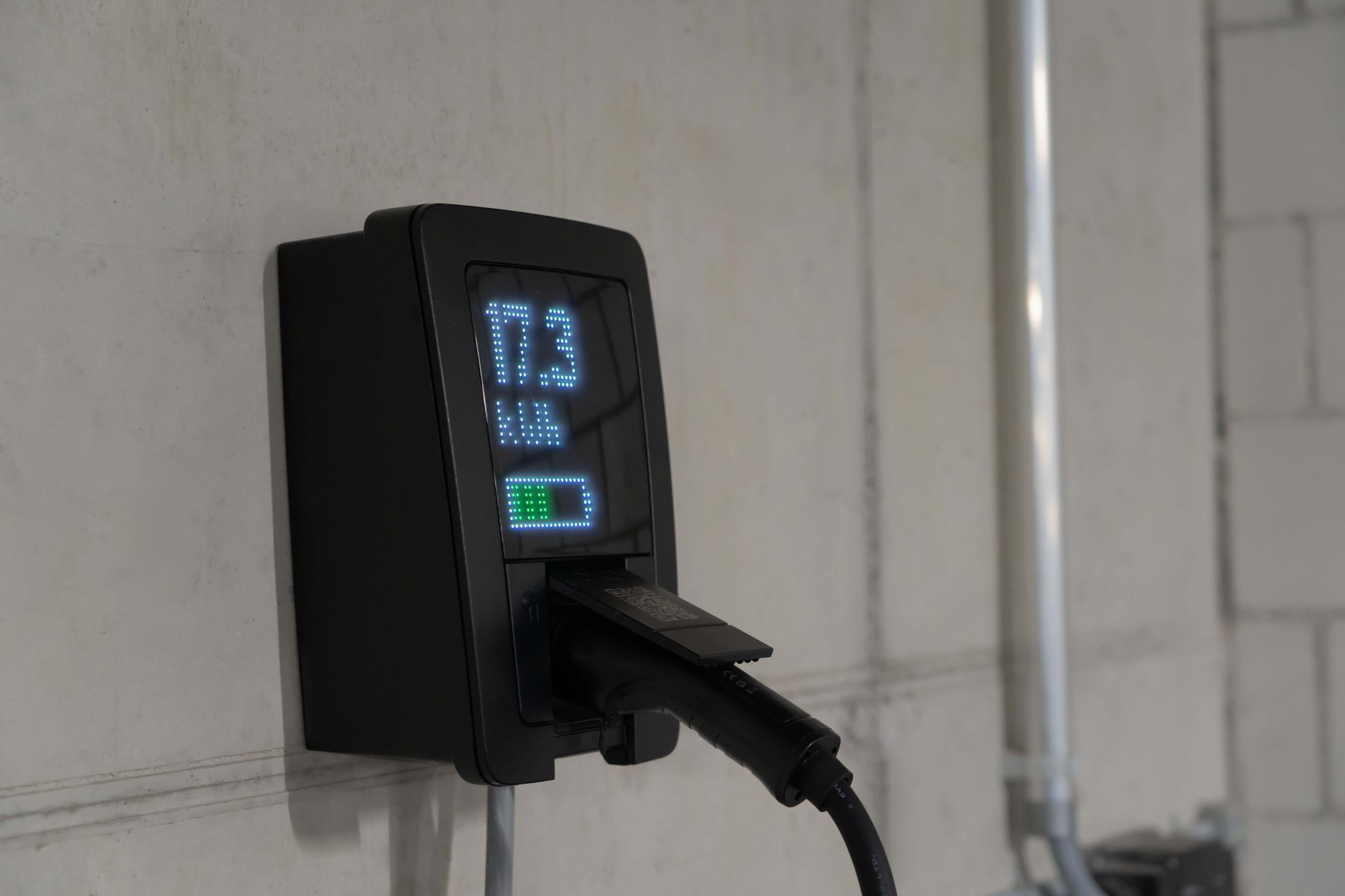
Before comparing brands, understand the specs that actually affect your daily experience:
- Amperage (and adjustability): Most EVs accept up to 32–48 amps of AC charging at home. A 48-amp charger is future-proof, but your panel and wiring must support it. Many quality units let you dial amperage down if your electrical service is limited — this flexibility is worth paying for.
- Hardwired vs. plug-in (NEMA 14-50): Plug-in units are portable and easier to move between homes or vehicles. Hardwired units are cleaner installations and sometimes marginally faster, but require an electrician to remove. Neither is universally better — it depends on your situation.
- Smart features: Wi-Fi connectivity, scheduled charging (to take advantage of off-peak electricity rates), energy monitoring, and app control have shifted from luxury to near-standard in 2025. If your utility offers time-of-use rates, smart scheduling can meaningfully reduce charging costs over time.
- Cable length: 20–25 feet is the practical minimum for most garages. Shorter cables are a common owner complaint, especially on budget units.
- Indoor/outdoor rating: Look for at least NEMA 4 (weatherproof) if the unit will be exposed to the elements, even partially.
- Connector type: As of 2025, most new EVs sold in North America use the NACS (Tesla-style) connector or ship with a J1772 adapter. Confirm compatibility before purchasing — many charger makers now offer both connector versions or include adapters.
The Charger Categories Worth Knowing
The home Level 2 market has consolidated into a few clear tiers. Rather than fabricate current pricing without verified sourcing, we’re describing these honestly by category:
- Budget-friendly plug-and-play units (roughly entry-level pricing): These typically offer 16–32 amps, a NEMA 14-50 plug, and minimal smart features. They’re fine for drivers with modest daily mileage and limited panel capacity. The tradeoff is usually shorter cables, no energy monitoring, and fewer software updates over the product’s life.
- Mid-range smart chargers (the most competitive segment): This is where most buyers land. Units in this category typically deliver 32–48 amps, include Wi-Fi scheduling, have companion apps, and carry solid safety certifications (look for UL listing or ETL certification — non-negotiable for insurance and permitting purposes). Brands that have consistently appeared in credible review roundups in this space include ChargePoint, Enel X JuiceBox, and Emporia — though you should verify current availability and pricing directly.
- Premium/utility-integrated chargers: Some utilities partner with specific charger brands to offer rebates or demand-response integration, where the grid can briefly throttle your charger during peak periods in exchange for bill credits. If your utility offers this, it can offset the cost of a more expensive unit. Check your utility’s EV programs before buying.
The Honest State of the Market in 2025
A few broader trends are shaping the home charger market this year:
- NACS adoption is accelerating. Following major automaker announcements, a growing share of new EVs use the NACS port natively. If you’re buying a charger today and expect to own a new EV within two to three years, confirm that the unit you’re buying will work with your next vehicle — either natively or via a quality adapter.
- Federal and state incentives remain available but vary. The federal Alternative Fuel Vehicle Refueling Property Credit (Form 8911) has historically covered a percentage of home charger installation costs for eligible taxpayers. State and utility rebates layer on top of this in many regions. Always verify current eligibility with a tax professional and your utility — these programs change, and specifics matter.
- Bidirectional (V2H/V2G) charging is emerging but not yet mainstream for home use. A small number of vehicles and charger combinations now support vehicle-to-home or vehicle-to-grid functionality. This is genuinely promising technology, but the compatible vehicle and charger combinations remain limited in 2025. Don’t purchase a “bidirectional-ready” charger expecting this to work without thoroughly verifying your specific vehicle supports it.
If you’re also exploring solar integration with your home charging setup, see our guide on best solar panels for home EV charging.
Installation: The Cost Most Buyers Underestimate
The charger itself is often not the largest expense. Electrician labor for a 240-volt circuit installation varies significantly by region, panel condition, and whether a permit is required — and in most jurisdictions, a permit is legally required. Budget for this realistically. If your panel needs an upgrade to accommodate a 40–50 amp circuit, costs rise further. Get at least two quotes and ask specifically whether the estimate includes permit fees and inspection.
Mounting location matters too. A charger installed on an interior garage wall with a short cable run is simpler and cheaper than one requiring conduit run to an exterior wall or subpanel work.
Our Evidence-Based Recommendation
Based on the consistent pattern across credible third-party reviews and owner forums over recent years, the sweet spot for most homeowners is a 48-amp, Wi-Fi-enabled, UL-listed smart charger with at least a 24-foot cable, installed on a dedicated 60-amp circuit. This setup handles every mainstream EV on the market today, supports off-peak scheduling, and gives you room to grow.
The genuine tradeoff at this tier: smart chargers depend on app ecosystems that can degrade over the product’s lifespan. Several charger brands have discontinued app support or been acquired, leaving users with functional hardware but broken software. Prioritize brands with demonstrated longevity and — if possible — units that retain basic functionality without a cloud connection.
If budget or panel capacity is constrained, a 32-amp plug-in unit from a reputable brand with a UL listing is a perfectly sound choice for most drivers. The upgrade to 48 amps adds perhaps 20–30% more speed but costs more in both hardware and electrical work — worth it for large-battery vehicles (100 kWh+), less critical for smaller EVs or PHEVs.
Do your final verification on current pricing, rebate eligibility, and connector compatibility before purchasing — this market moves quickly, and the right answer in your zip code may differ from a national “best pick.”
Sources
- No external source URLs were provided for this article. All specific claims are based on general, publicly documented specifications and widely reported industry trends. Verify current prices, rebates, and product availability directly with retailers and your utility before purchasing.
Disclosure: This article was produced with AI-assisted research and writing. VoltVentureLab.com may earn a commission on purchases made through links on this page. Editorial recommendations are independent of commercial relationships.