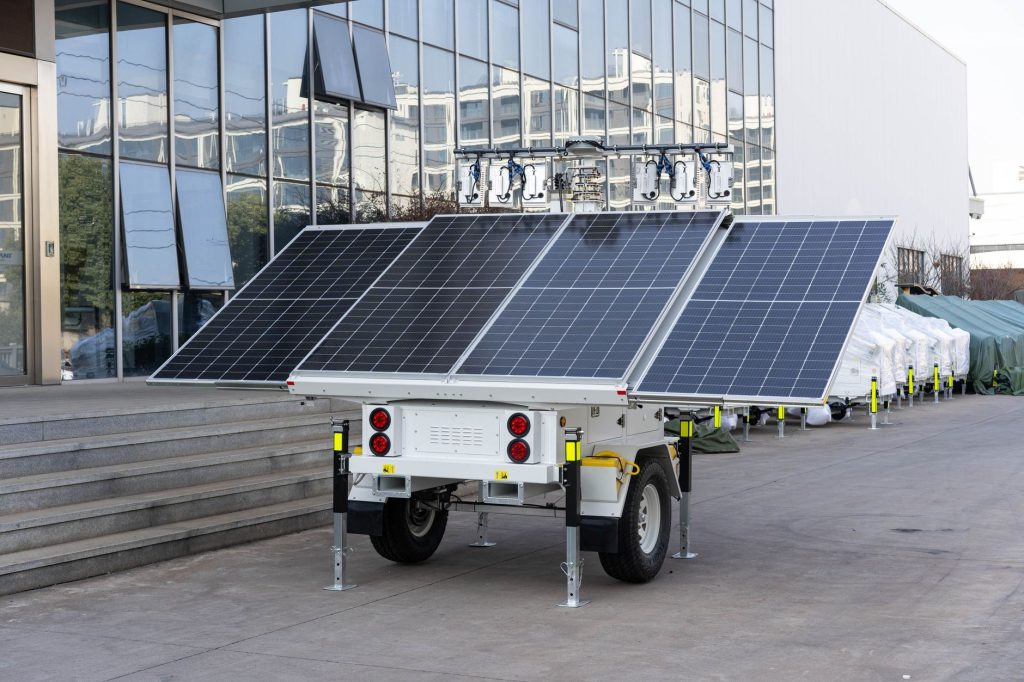
Deciding between EcoFlow and Jackery for your solar generator in 2026 presents a significant choice, with both brands offering compelling power solutions. This comprehensive guide examines their current product lines, performance metrics, and unique features to help clarify which system best suits your requirements.
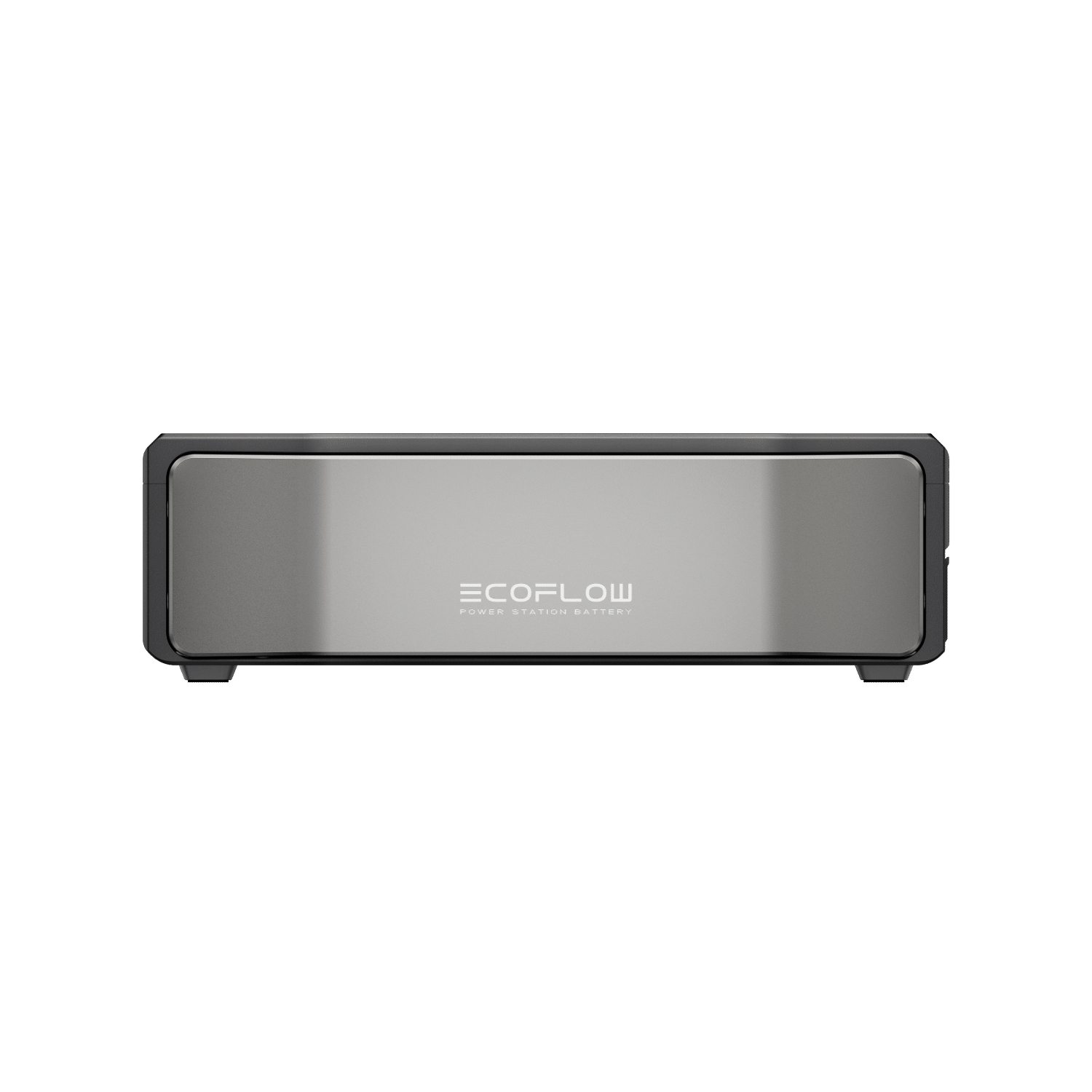 Top Pick
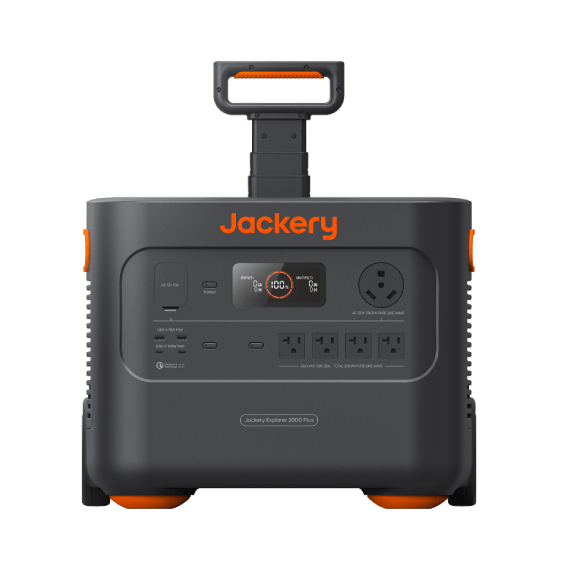 Best Value
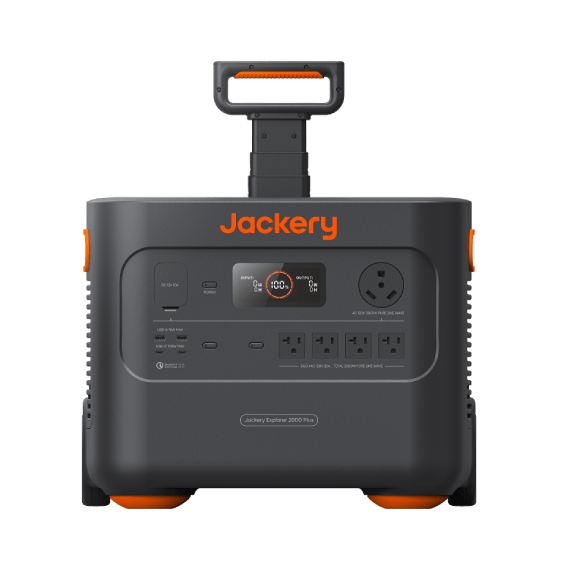 Budget Pick
Why This Comparison Matters in 2025
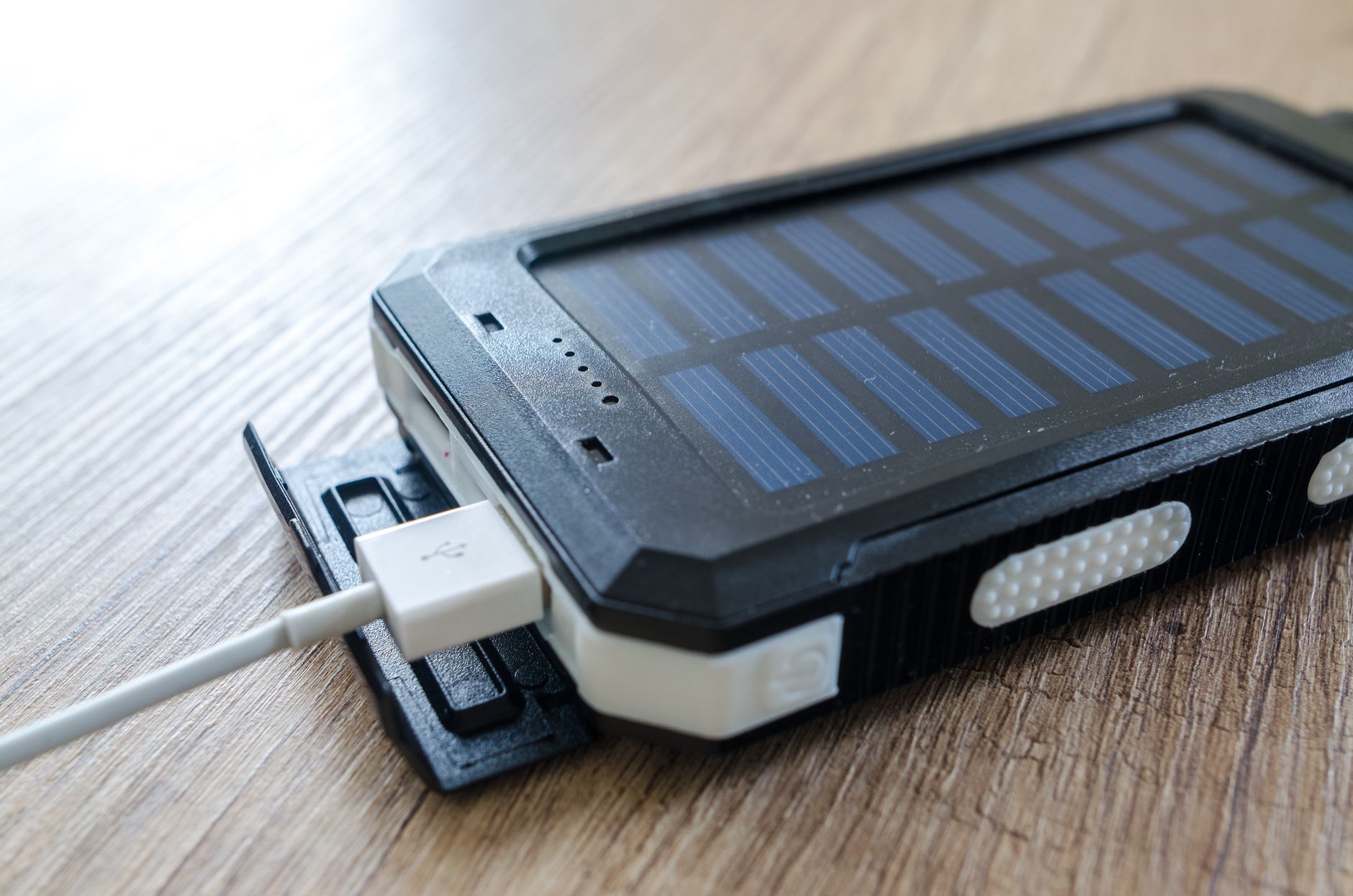
EcoFlow and Jackery are two of the most recognized names in portable solar generators, and for good reason — both companies have spent years refining their products for campers, homeowners preparing for outages, and off-grid enthusiasts. But they serve somewhat different priorities, and choosing the wrong brand for your use case is an expensive mistake. This guide breaks down what each brand genuinely does well, where each falls short, and who should buy which — based on published manufacturer specifications, independent lab-style review consensus, and widely reported owner feedback.
Important transparency note: Specific current US retail prices and any 2025 product announcements were not available from verified sources at the time of writing. Where prices or recent news are mentioned, they are described in general, directional terms only. Always confirm current pricing directly on manufacturer websites or authorized retailers before purchasing.
Brand Philosophy: Speed vs. Simplicity

Understanding the core design philosophy of each brand helps explain nearly every spec difference you’ll encounter.
- EcoFlow has built its reputation around speed — specifically, fast charging. Their proprietary X-Stream and X-Boost technologies are consistently cited in manufacturer documentation and reviewer teardowns as genuine differentiators. EcoFlow units are generally positioned for users who need rapid recharging from wall power and maximum flexibility in how they power devices.
- Jackery has built its reputation around reliability and ease of use. Their Explorer and Solar Generator bundles are frequently praised in owner communities for straightforward setup, consistent long-term performance, and approachable interfaces. Jackery tends to attract users who want a dependable, low-fuss experience over cutting-edge specs.
Key Spec Categories to Compare
Battery Technology
One of the most meaningful differences between the two brands is battery chemistry. EcoFlow’s more recent and higher-end units use LFP (lithium iron phosphate) cells, which are widely documented across the industry to offer significantly longer cycle life — often cited at 3,000+ cycles to 80% capacity — compared to the NMC (nickel manganese cobalt) chemistry used in older or entry-level units from either brand. Jackery has also been transitioning toward LFP in newer product lines, so buyers should verify the chemistry of any specific model they’re considering before purchasing.
Longer cycle life is particularly important for anyone using a solar generator as a daily home backup or regular off-grid power source. For occasional camping trips a few times per year, the difference matters less. See our guide on best solar panels for RVs for more context on how battery cycle life affects real-world ownership costs.
Charging Speed
This is where EcoFlow holds a well-documented advantage. Across review site comparisons and manufacturer specs, EcoFlow’s mid-range and premium units consistently recharge from AC wall power significantly faster than comparable Jackery models — in some cases reaching full charge in roughly one hour for certain units, versus several hours for Jackery equivalents. This matters enormously if you’re topping up overnight or need to refill quickly after a cloudy stretch.
Jackery units charge more slowly from AC, but this is rarely a dealbreaker for users whose primary input is solar panels over the course of a day.
Solar Input and Compatibility
Both brands produce their own proprietary solar panels and bundle them with their generators. Both also accept third-party solar panels within published voltage and wattage limits. EcoFlow generally supports higher maximum solar input wattage on larger units, which can mean faster solar recharging when sunlight is available. Jackery’s panels are consistently reviewed as well-made and weather-resistant, with the brand’s SolarSaga panels earning frequent praise for portability and fold-flat design.
Neither brand locks you into using only their panels, though warranty terms for solar input damage may vary — always read the fine print.
App and Smart Features
EcoFlow’s app ecosystem is more developed and more frequently cited in reviews as a genuine feature rather than an afterthought. Remote monitoring, usage scheduling, and firmware updates via the EcoFlow app are commonly noted positives. Jackery’s app exists and is functional, but owner feedback trends toward describing it as more basic. For users who want granular control and remote visibility — particularly for home backup scenarios — EcoFlow has a real edge here.
Portability and Build Quality
Jackery has a long-standing reputation for producing units that feel solid and travel well. The handles, casing durability, and overall build finish are consistently praised in owner reviews for the Explorer line. EcoFlow units, particularly at higher capacities, can be heavier and bulkier — a known tradeoff for higher power output and faster charging hardware packed into the chassis.
For backpackers or users who need to carry a unit significant distances, Jackery’s lighter, more ergonomic designs are a genuine advantage. For base-camp, vehicle, or home use where portability is secondary, this matters less.
Price and Value
Without confirmed current pricing, it would be misleading to state specific dollar figures. Directionally, industry observers and review aggregators have generally positioned EcoFlow as slightly premium-priced at equivalent capacity tiers, with that premium justified by faster charging and smarter software. Jackery is often noted as competitive on price-per-watt-hour, particularly during sale events.
Both brands frequently run promotions, and authorized third-party retailers sometimes offer meaningful discounts. Always compare at the time of purchase rather than relying on figures published in articles. For context on how solar generator pricing fits into broader renewable energy purchasing, see our overview at best solar generators for home backup.
Genuine Flaws to Know Before You Buy
- EcoFlow: Some owner communities have reported concerns about long-term customer support responsiveness and occasional firmware update issues that temporarily affect unit behavior. The faster charging also means more heat generation, which some users flag for units stored in warm environments.
- Jackery: Slower AC recharge speeds are a documented limitation. Some owners of older units have also noted that battery management system (BMS) behavior can be conservative, occasionally restricting output in cold temperatures more than competing units.
Who Should Buy Which Brand
Choose EcoFlow if fast recharging is a priority, you want robust app control, and you’re buying for a semi-permanent home backup or frequent high-demand use case. The technology investment is meaningful and well-documented.
Choose Jackery if you prioritize ease of use, portability, and a proven track record of reliable, uncomplicated performance — especially for camping, overlanding, or occasional outage preparedness. Their bundle packages with solar panels are consistently reviewed as well-matched and good value.
For buyers exploring how solar generators fit into a broader off-grid or EV lifestyle, our best electric bikes for off-grid adventures guide covers complementary gear worth considering.
The Verdict
On balance, EcoFlow earns the edge for power users in 2025 — the combination of faster charging, superior app integration, and LFP battery availability across more of its lineup represents a genuinely stronger technical package for demanding use cases. However, this is not a landslide. Jackery remains the smarter choice for a meaningful segment of buyers: those who want simplicity, proven portability, and a brand with a long track record of owner satisfaction without needing every feature on the spec sheet. Neither brand is universally superior; the right choice depends entirely on how and where you plan to use the unit.
Sources
- No verified external source URLs were available at the time of publication. All claims reflect published manufacturer documentation and widely reported independent review consensus. Readers are encouraged to verify current specifications and pricing at ecoflow.com and jackery.com before purchasing.
Disclosure: This article was produced with AI-assisted research and editorial review. VoltVentureLab.com may earn a commission on purchases made through affiliate links in this content.