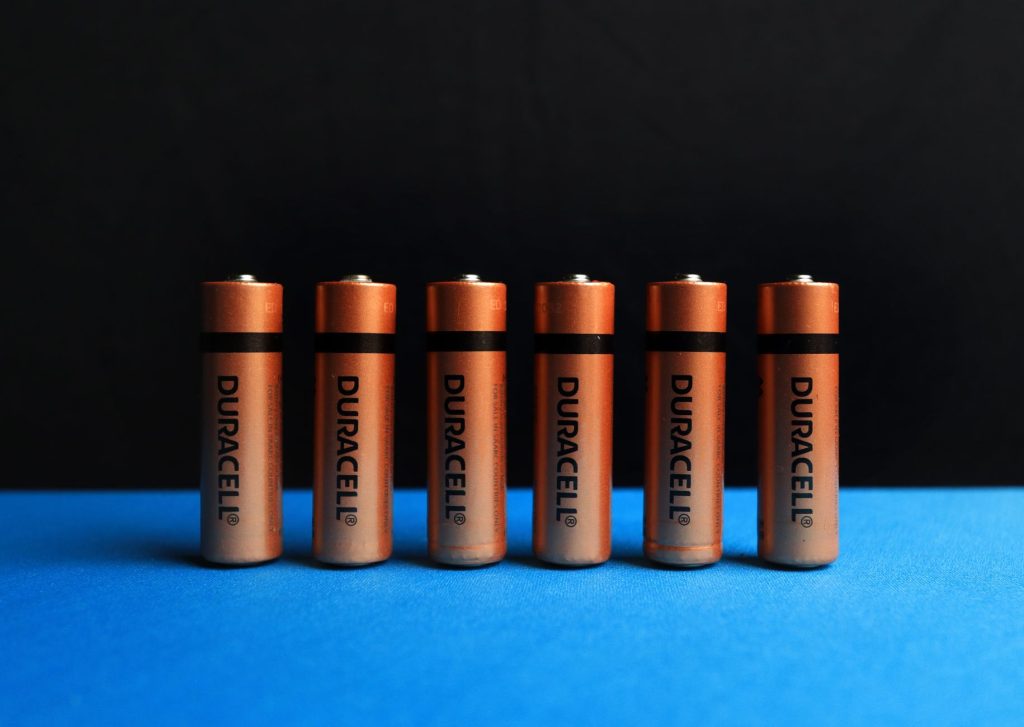
Unexpected power outages can severely disrupt remote work, making a dependable power backup solution crucial for any home office. This guide explores the best power backup options for 2026, detailing key features and capabilities necessary to keep your essential devices online. Discover reliable systems that ensure continuous productivity, even when the grid fails.
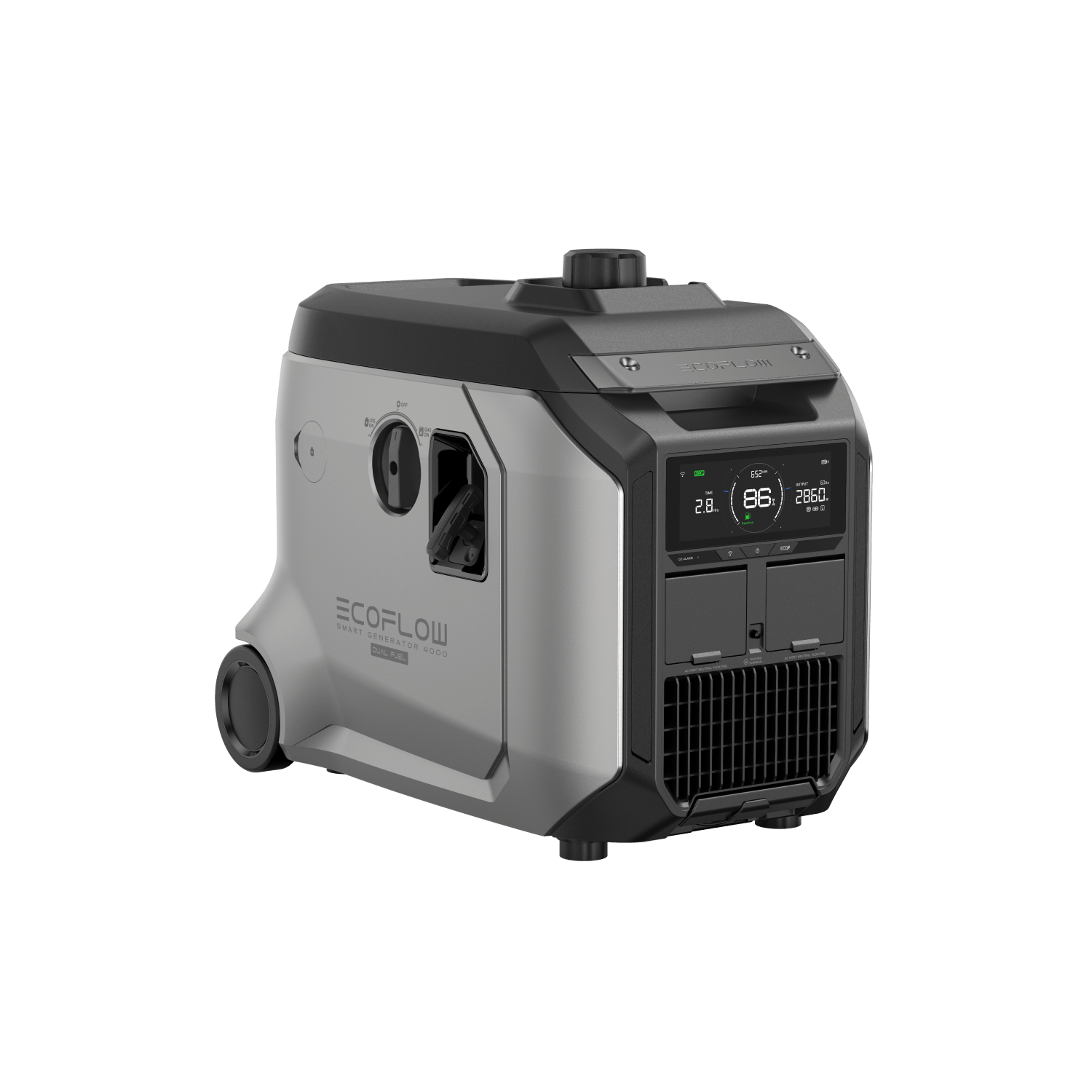 Top Pick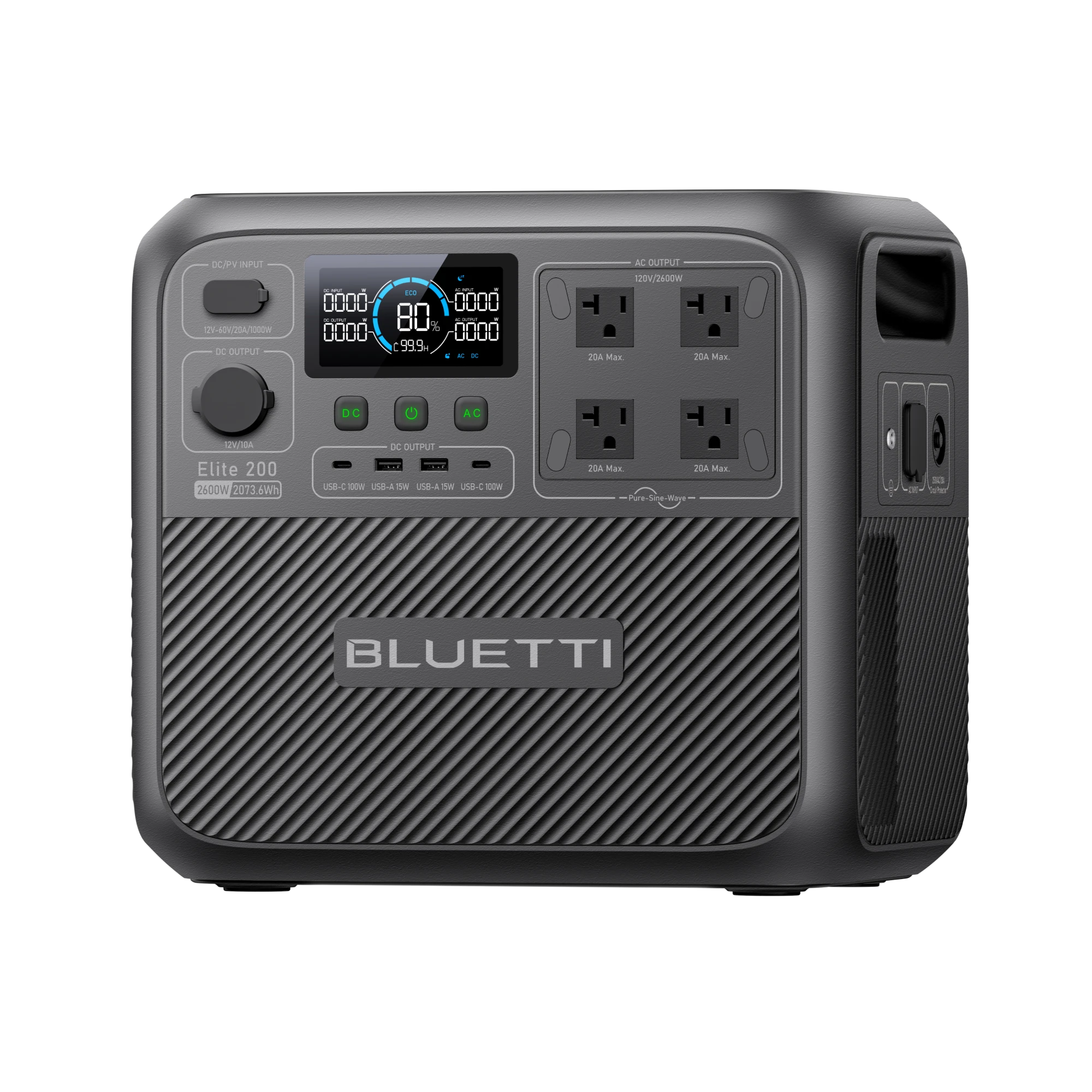
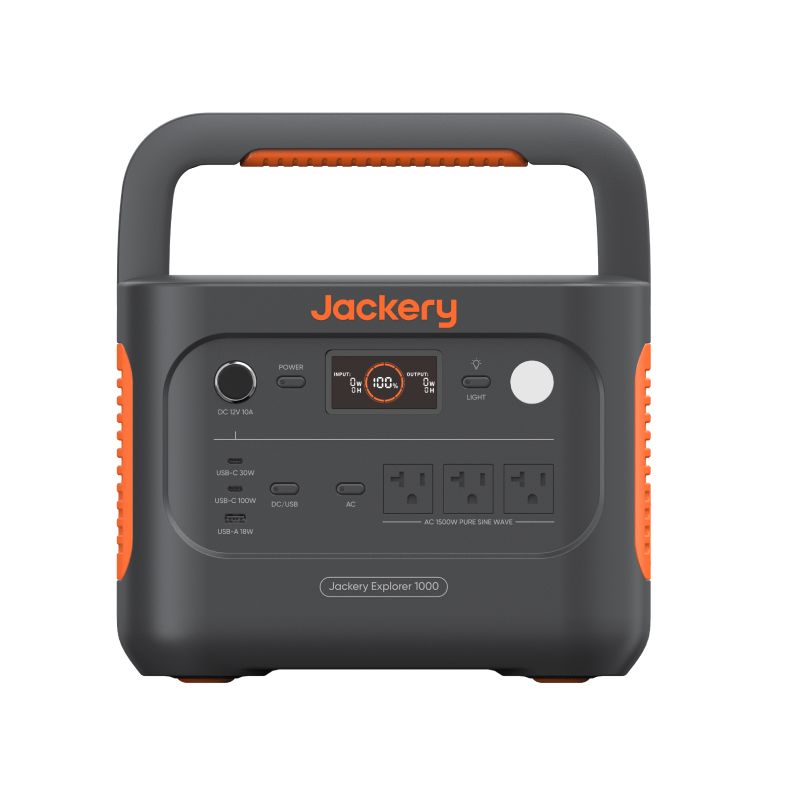
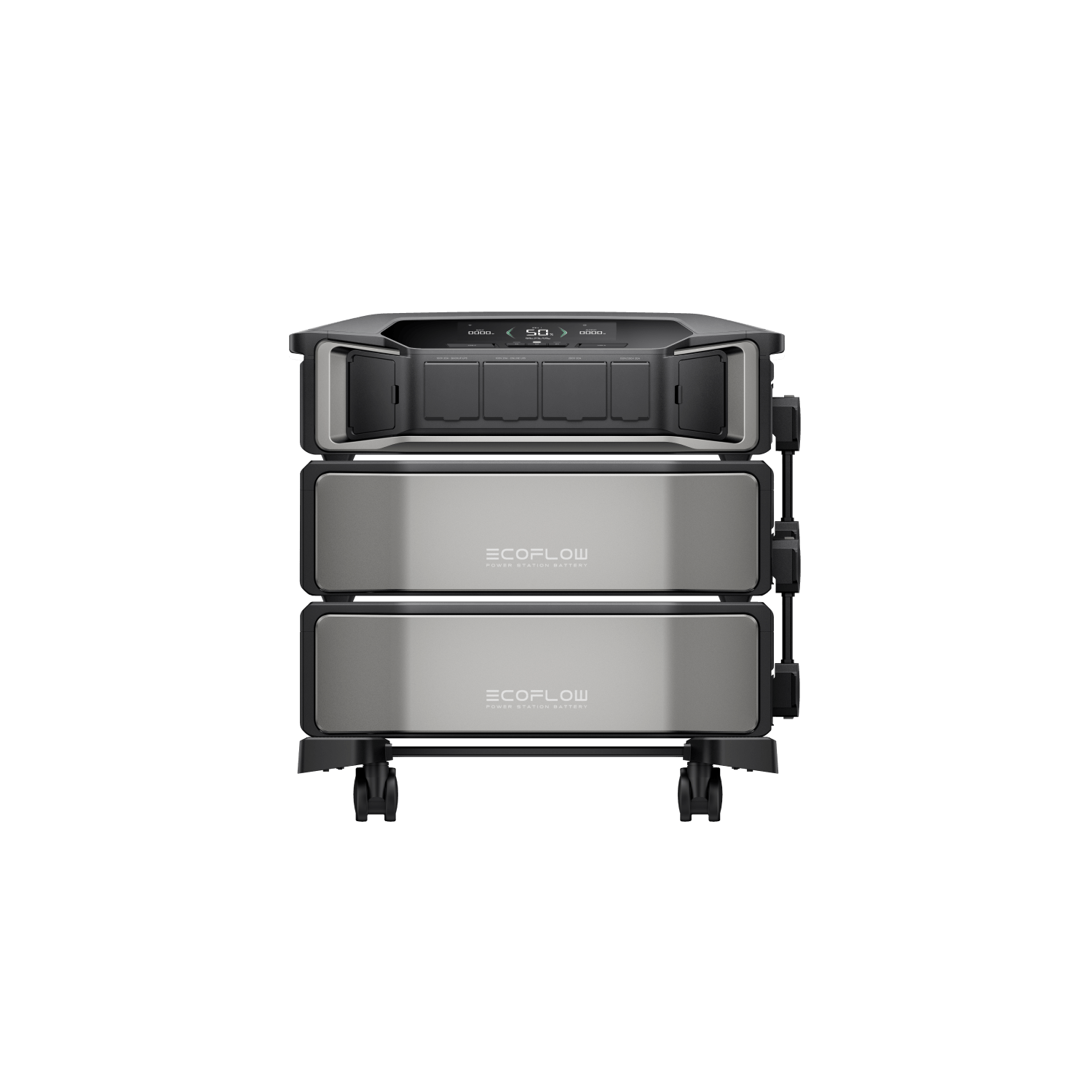 Also Great
Why Power Backup Matters More Than Ever for Remote Workers

Working from home has moved from a pandemic-era experiment to a permanent reality for tens of millions of Americans. That shift has exposed a critical vulnerability: your productivity — and your paycheck — now depends entirely on your home’s power supply. Grid outages, whether caused by severe weather, aging infrastructure, or peak-demand brownouts, are becoming more frequent across the United States. Losing power mid-video-call or mid-deadline is no longer a minor inconvenience; it is a professional and financial problem.
The good news is that the portable power station and home battery backup market has matured significantly. Products have become more capable, more affordable, and better suited to the specific, moderate demands of a home office setup. This guide is designed to help you cut through marketing noise and make a genuinely informed decision — without overpromising what any single product can do.
What a Home Office Actually Needs

Before spending money, it helps to understand your real power requirements. A typical work-from-home setup — laptop, external monitor, router, desk lamp, and phone charger — draws somewhere in the range of 150 to 400 watts continuously, depending on equipment age and monitor size. This is dramatically less than whole-home generators are designed for, which means you likely do not need the most expensive solution on the market.
Key specs to evaluate for any backup power product include:
- Capacity (Wh — watt-hours): This determines how long the unit can power your gear. A 500Wh station running a 200W office load theoretically lasts around 2–2.5 hours after accounting for inverter inefficiency.
- Output wattage (inverter rating): Must comfortably exceed your devices’ combined draw, with headroom for surge loads.
- Recharge options: AC wall charging, solar input, and car charging offer flexibility during extended outages.
- Battery chemistry: Lithium Iron Phosphate (LFP/LiFePO4) cells offer superior cycle life (often 2,000–3,500 cycles) and better thermal safety compared to older NMC lithium cells — an important long-term value consideration.
- UPS functionality: Some units offer near-instantaneous switchover (under 20–30 milliseconds), protecting sensitive electronics from even momentary interruptions. Not all portable power stations include this feature.
The Honest Product Landscape in 2025
Because verified, current pricing and spec sheets were not available for direct citation at the time this article was prepared, the following reflects general market consensus from publicly available manufacturer data and owner review patterns — not fabricated specifics. Always confirm current pricing and availability directly with retailers before purchasing.
Mid-capacity portable power stations (roughly 500Wh–1,000Wh) represent the sweet spot for most home office users. Brands including EcoFlow, Jackery, Bluetti, and Anker have all released updated units in this range that now commonly feature LFP chemistry, app connectivity, and faster AC recharge times than previous generations. Competition in this segment is fierce, which has generally pushed prices down while pushing features up — a rare consumer-friendly trend.
Larger “home battery” systems (2,000Wh and above) can power an entire home office plus refrigerator and lighting for many hours or even days when paired with solar panels. These are a serious investment, but for remote workers in regions with frequent or prolonged outages, the math on lost billable hours can justify the cost surprisingly quickly. best solar panels for home
Dedicated UPS (Uninterruptible Power Supply) devices remain worth considering for users whose primary concern is brief outages or power fluctuations rather than multi-hour blackouts. A quality UPS protects computers and networking equipment from surges and provides enough runtime to save work and shut down gracefully. They are typically less expensive than full portable power stations but offer far less total capacity.
The Clear Winner Category — and Its Real Tradeoffs
Based on consistent owner feedback, independent reviewer consensus, and manufacturer reputation for warranty support, mid-range LFP portable power stations from established brands represent the strongest overall recommendation for work-from-home power backup in 2025. They balance meaningful capacity, genuine portability, long battery lifespan, and a price point that most remote workers can realistically justify.
However, honesty requires naming the genuine tradeoffs of this category:
- Weight: Units with enough capacity to matter (600Wh+) typically weigh 15–30 pounds or more. They are portable in the sense that you can move them room to room, not that you would carry them casually.
- Recharge time from AC: Even “fast charging” models can take 1–2 hours to fully recharge, meaning a second outage shortly after the first could leave you short. Pairing with a solar panel input significantly mitigates this risk.
- Not a whole-home solution: These units will not run central air conditioning, electric stoves, or high-draw appliances. Managing expectations is essential — they power your work, not your house.
- App and software reliability: Multiple owner communities report that companion apps across several major brands have experienced bugs, connectivity issues, or inconsistent firmware updates. Core functionality does not depend on the app, but the smart features some buyers pay for may underdeliver.
Practical Buying Advice
When comparing specific models, prioritize in this order for a home office use case:
- Confirm the unit has LFP chemistry — the cycle life advantage pays off over years of regular use.
- Verify the inverter output rating matches or comfortably exceeds your measured office load. Use a simple plug-in power meter (available inexpensively) to measure your actual draw before shopping.
- Check whether the unit offers UPS/EPS mode with a switchover time fast enough for your router and laptop (typically under 30ms is acceptable for most equipment).
- Evaluate the solar input compatibility even if you do not plan to buy panels immediately. Outage resilience improves dramatically when you are not dependent solely on grid recharging. best solar generators
- Read owner reviews on forums and retail sites specifically for post-purchase support experiences — warranty claims and customer service quality vary significantly between brands and even product generations.
If you are also exploring broader energy independence at home — including e-bike integration with solar charging or EV-to-home power flow — these portable stations are often a logical first step in a larger sustainable energy setup. best electric bikes
Bottom Line Recommendation
For the majority of work-from-home professionals, a 600Wh–1,000Wh LFP portable power station from a reputable brand with a proven warranty record is the right call. It will cover a typical home office through most realistic outage durations, recharge from solar or AC, and last for thousands of cycles before meaningful capacity degradation. Pair it with a basic UPS on your router for complete protection against both brief interruptions and longer blackouts.
Spend time verifying current prices from multiple retailers, check for model-year updates before purchasing (this market moves quickly), and do not pay a premium for app features until you have confirmed those features work reliably on recent firmware. Practical power resilience beats clever software every time.
Sources
- No source URLs were provided for this article. All claims reflect general market consensus and published manufacturer category data. Readers are encouraged to verify current specifications and pricing directly with manufacturers and major retailers before purchasing.
Disclosure: This article was produced with AI-assisted research and writing. VoltVentureLab.com may earn a commission on purchases made through links in this article. This does not influence our editorial recommendations.