
Setting up an RV solar system can significantly enhance your travel independence and comfort. This guide provides a detailed walkthrough, beginning with the fundamentals of choosing your first solar panel and extending to the comprehensive design of a full off-grid power solution. You’ll find practical information on components, system sizing, and installation considerations to confidently power your adventures.
Why RV Solar Makes Sense in 2025

The case for putting solar on your RV has never been stronger. Owners and guide authors consistently point to three core benefits: quiet power generation, the freedom to boondock far from hookups, and a system that grows with your needs. Monocrystalline panels now routinely hit 20–24% efficiency, lithium iron phosphate (LiFePO4) batteries have come down enough in price to be genuinely accessible, and MPPT charge controllers have made wasted energy a smaller problem than it used to be. The technology stack is mature. What trips most buyers up is sizing — picking components that actually match their real daily power use rather than buying a generic kit and hoping for the best.
This guide walks you through every layer of a proper RV solar build: the right components, how to size them honestly, what things cost in 2025, and where owners most often run into trouble.
The Core System: Four Components, One Chain
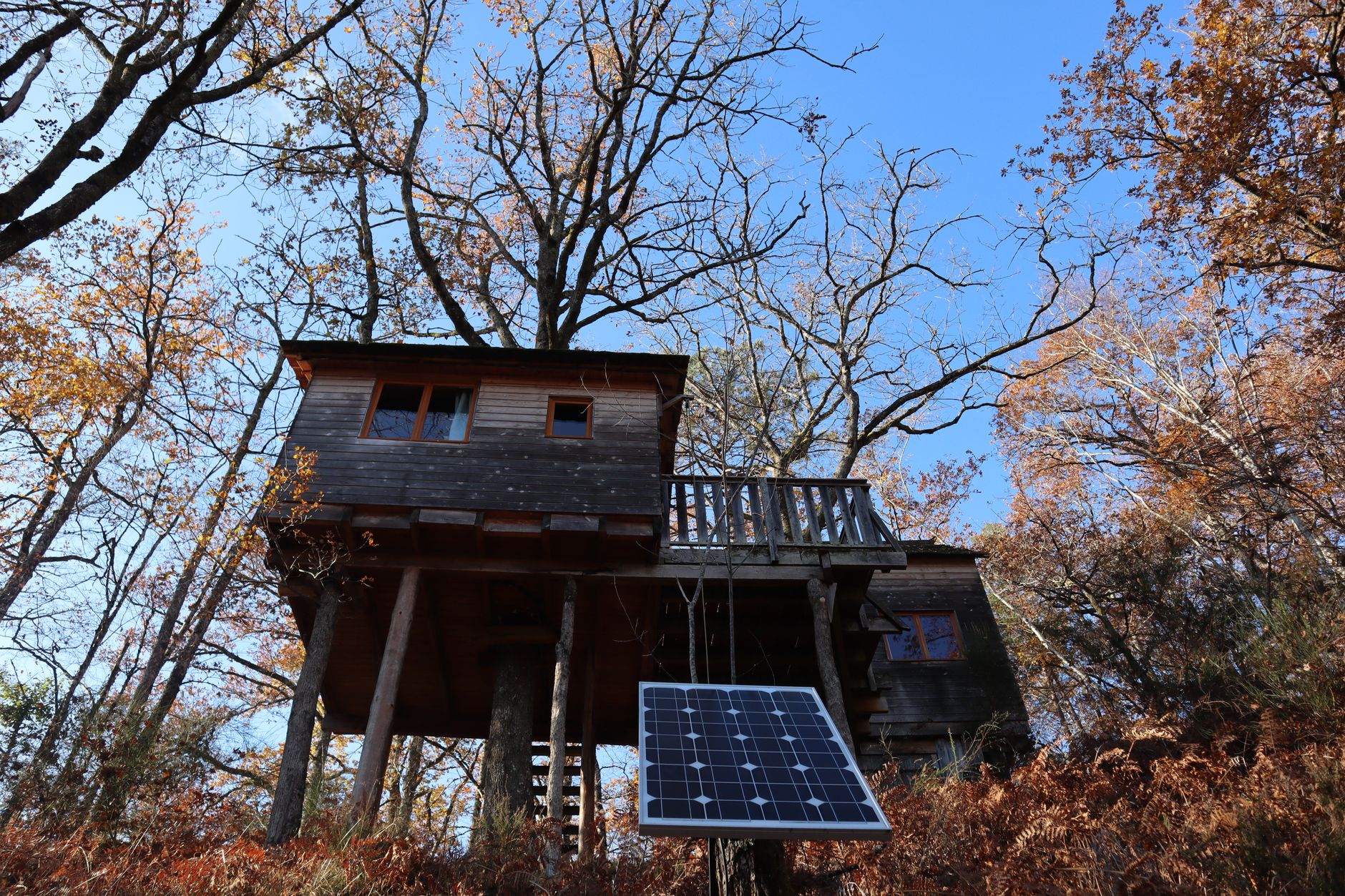
Every practical RV solar setup follows the same sequence: panels → charge controller → battery bank → inverter → loads. Getting that order right — physically and electrically — is the single most important thing you can do before buying anything.
- Solar panels collect sunlight and convert it to DC electricity.
- The charge controller regulates that DC power before it reaches your batteries, preventing overcharge and managing the charging profile.
- The battery bank stores energy for use when the sun isn’t shining.
- The inverter converts stored DC power to AC for household-style loads like laptops, coffee makers, or a CPAP machine.
Skip or misorder any of these, and the system either underperforms or damages itself. Current RV installation guides also emphasize fusing or breakers near the battery, MC4 connectors for panel wiring, and mounting the charge controller in a dry, ventilated cabinet close to the battery bank — details that matter more than most buyers expect.
Choosing Your Panels: Monocrystalline Is the Clear Winner
For RV use, rigid monocrystalline panels are the consensus choice across 2025–2026 solar guides — and for good reasons. They deliver the highest efficiency in the class (typically 20–24%), perform better than polycrystalline alternatives in low-light and overcast conditions, and carry lifespans of 25 years or more. On a roof where every square foot counts, that efficiency advantage translates directly into more watts without needing more space.
Current US retail pricing for quality 400W monocrystalline panels runs roughly $300–$800 per panel, or about $0.75–$2.00 per watt, based on 2025–2026 RV guide data. That wide range reflects real variation in brand, warranty depth, and build quality — don’t anchor to the low end without checking what you’re actually getting.
The genuine tradeoff with rigid panels is weight and installation commitment. They are heavier than flexible alternatives, and once bolted down, you’re not repositioning them. If your roof has significant curves or obstructions, flexible panels exist, but the current guide consensus treats them as a compromise in efficiency and longevity rather than a like-for-like swap. best portable solar panels for camping
Sizing Your System: Use Real Numbers, Not Guesswork
The most reliable sizing method in current RV guides is straightforward: add up your daily watt-hours, divide by 4, then add 20–30% for clouds and system losses. That final number is your minimum solar wattage target. As a rough reference, one 100W panel under good conditions produces roughly 300–600Wh per day — which is enough for phone charging, LED lighting, and a small fan, but not much else.
Current guides break recommended system sizes into three practical tiers:
- Small RVs / weekend use: 200–400W of panels is typically sufficient for basic loads — lighting, device charging, a small refrigerator on efficient days.
- Medium RVs / extended trips: 400–800W handles more consistent refrigeration, entertainment systems, and moderate cooking appliances.
- Large RVs / full off-grid living: 800–1,200W or more is the target range when you need to run high-draw loads or go multiple cloudy days without shore power.
Don’t design to the minimum. Battery depth-of-discharge, shading losses, and the inevitable appliance you forgot to count all eat into theoretical numbers. Building in margin upfront is far cheaper than retrofitting later.
Batteries: LiFePO4 Is Worth the Premium
The current guide consensus is unambiguous here: LiFePO4 (lithium iron phosphate) batteries are the preferred storage technology for off-grid RV use. They support deeper discharge cycles than traditional lead-acid, weigh significantly less, and last far longer under the kind of daily charge-discharge cycling that RV solar demands.
Based on 2025–2026 RV guide data, a 2 × 100Ah LiFePO4 setup runs roughly $200–$1,200 depending on brand and quality tier. That range is wide enough to be treated as a broad budget band rather than a precise price — the lower end typically reflects less-proven brands with thinner warranties, while the upper end reflects established manufacturers with better battery management systems and customer support.
A useful reference point from current guides: a resting, fully charged 12V battery should read around 12.6V. If you’re not seeing voltage rise during a sunny day, that’s your first diagnostic signal that something upstream isn’t working. best LiFePO4 batteries for RVs
Controllers and Inverters: Don’t Skimp on Either
MPPT (Maximum Power Point Tracking) charge controllers are the correct choice for any serious RV setup. They extract meaningfully more energy from your panels than older PWM controllers — especially relevant when roof space limits how many panels you can install. Current 2025–2026 pricing for quality MPPT controllers runs $100–$400 depending on amperage capacity and feature set.
For the inverter, the guidance is equally consistent: use a pure sine wave inverter, not a modified sine wave unit. Modified sine wave inverters are cheaper but can damage or degrade sensitive electronics and motor-driven appliances. Pure sine wave models run $100–$700 in current guides, scaled to wattage. Size yours to the heaviest AC load you realistically expect to run — air conditioning, for example, requires substantially more capacity than a laptop and a few lights.
Installation Details That Actually Matter
Current RV installation guides consistently flag the same failure points. Polarity errors during wiring, undersized fusing near the battery, and poor ventilation around the charge controller are the top culprits when systems underperform or fail early. A few specifics worth internalizing:
- Use MC4 connectors for panel-to-controller wiring — they’re weatherproof and the standard for a reason.
- Install fuses or breakers close to the battery, not at the panel end of the run.
- Wire panels in parallel for standard 12V RV systems to keep voltage in range for most controllers.
- Some local codes require grounding panel frames — check your jurisdiction before finalizing the install, especially for permanent or semi-permanent setups.
One notable market trend from 2025–2026 guides: the industry is moving toward modular, expandable systems sized from actual daily usage data rather than all-in-one kits. Starting with a correctly sized foundation and expanding battery or panel capacity later is consistently described as the smarter path. RV electrical system upgrades
Our Evidence-Based Recommendation
For most RV owners doing extended off-grid travel in 2025, the strongest starting configuration is 400–600W of rigid monocrystalline panels, an MPPT charge controller in the $150–$300 range, 200Ah of LiFePO4 storage, and a pure sine wave inverter sized to your real AC loads. This combination is supported by every credible guide in the current source set and represents the best balance of efficiency, longevity, and expandability for the money.
The honest caveats: upfront cost remains the most common complaint among owners, and careful sizing is non-negotiable — an undersized battery bank is the single most frequent cause of disappointment reported in current RV solar guides. Do the watt-hour math before you buy anything.
Sources
- RV Outfitting – Solar Power
- Solar Tech Online – RV Camper Solar System Complete Guide
- Nature Frendly – RV Solar Power 2025 Full Guide
- Ready Off Grid – Off-Grid Solar Power Beginner’s Guide
- EcoFlow – Ultimate Guide to Off-Grid Solar Systems
- RV Life and More – How to Choose the Right RV Solar Setup
- RV Renovate – Installing Solar Power in Your RV Step-by-Step
- Discover Homesteading – Off-Grid Solar System Setup 2025
Disclosure: This article was produced with AI-assisted research and may contain affiliate links. VoltVentureLab may earn a commission on qualifying purchases at no additional cost to you.