
The increasing popularity of electric bikes has added a new layer of consideration for anyone looking to purchase a bicycle. This article offers an objective comparison of e-bikes and traditional models, examining their key features, costs, and practical riding experiences. Its goal is to provide the information needed to determine which option genuinely aligns with your personal needs and whether an e-bike is a worthwhile investment for you.
 Top Pick
The Core Question: What Are You Actually Buying?
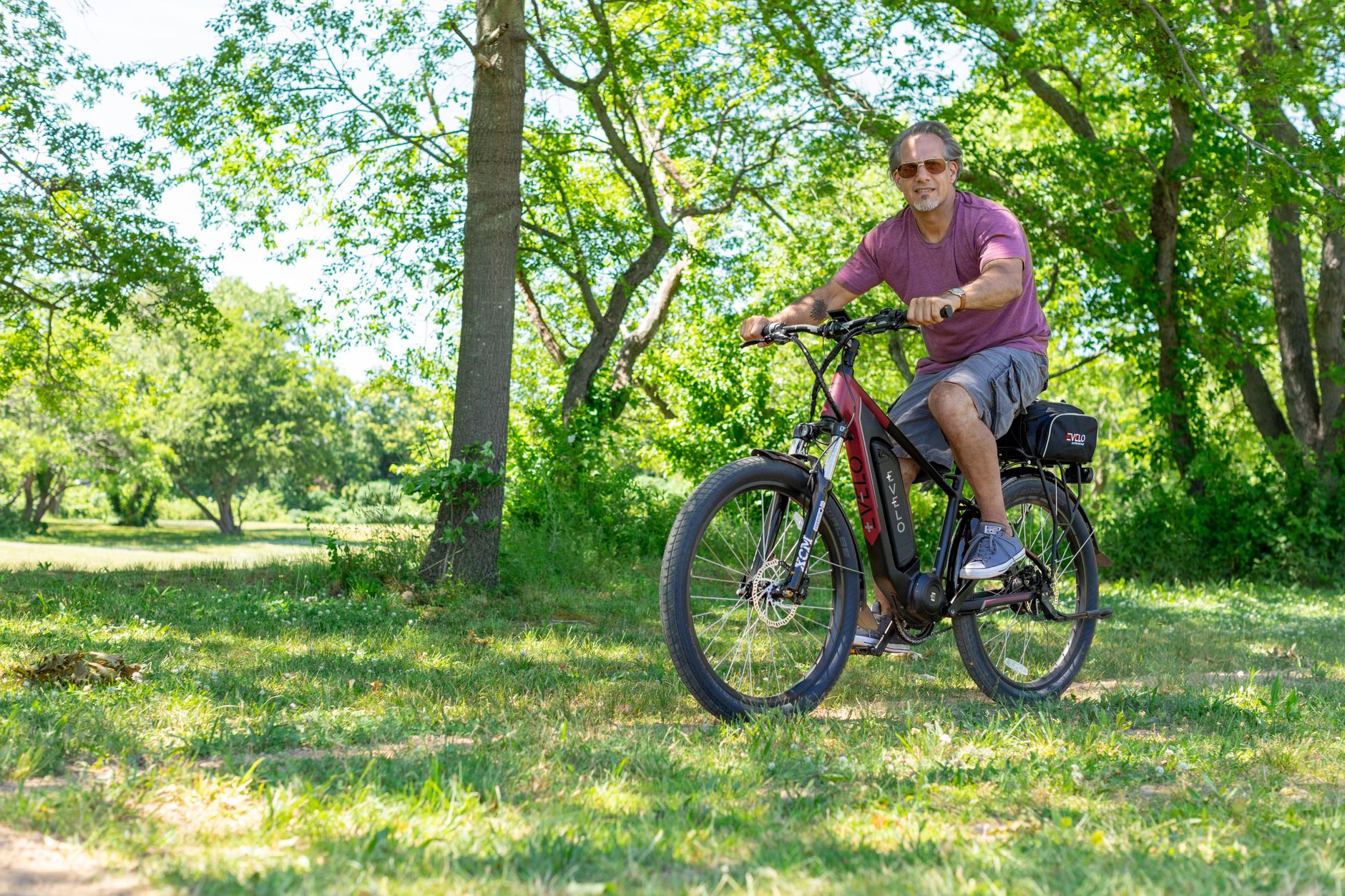
Choosing between an electric bike and a regular bike sounds straightforward until you realize the two categories barely overlap in purpose, cost, or long-term ownership experience. One is a human-powered fitness and transport tool; the other is closer to a low-speed electric vehicle with pedals. Understanding that distinction is the single most useful frame for making this decision — and it’s one that a surprising number of buying guides skip entirely.
This breakdown is based on published manufacturer specifications, general market pricing trends, and broad owner and reviewer consensus. Where specific figures aren’t confirmed by current sourced data, we’ll say so plainly rather than invent precision.
What You’ll Actually Pay
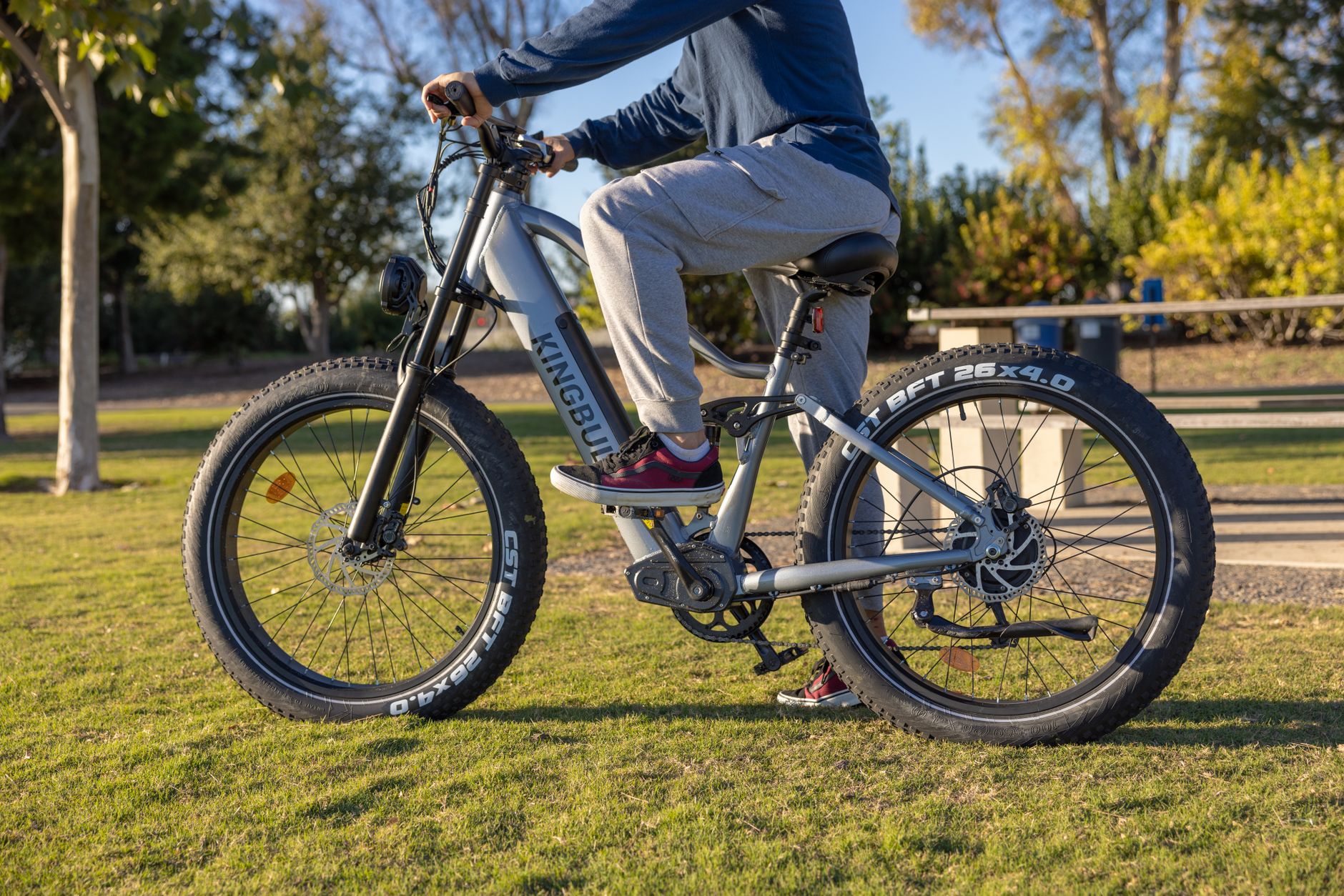
Budget is usually where this conversation starts, and the gap is real. Regular bikes are available at virtually every price point: basic city and commuter bikes typically fall in the $300–$800 range, mid-range bikes with quality components sit around $800–$2,000, and performance road or mountain bikes climb from there to $5,000 or beyond for enthusiast builds.
E-bikes carry a meaningful premium, largely driven by battery, motor, and control system costs. Entry-level commuter e-bikes generally start around $800–$1,200, though bikes at this price point frequently draw criticism for underpowered motors and short-lived batteries. The more reliable and well-reviewed commuter and urban e-bikes tend to cluster in the $1,500–$3,500 range. Purpose-built cargo e-bikes, full-suspension e-MTBs, and premium road e-bikes can push well past $5,000–$8,000. See our best electric bikes guide for a current breakdown by category.
The honest tradeoff here: the upfront cost of a quality e-bike is a genuine barrier, and it doesn’t disappear. Buyers should also budget for battery replacement down the road — a replacement battery pack from a reputable brand typically costs several hundred dollars — and factor in charging costs, though daily electricity use for e-bike charging is generally modest.
Performance and Practicality: Where E-Bikes Win Clearly
For commuting, utility riding, and covering longer distances without arriving sweaty, the e-bike’s advantage is not close. Key specs to understand:
- Motor power: Most commuter and city e-bikes use motors in the 250W–750W range. In the US, Class 1 and Class 2 e-bikes are limited to pedal-assist or throttle up to 20 mph; Class 3 bikes assist up to 28 mph. These classifications affect where you can legally ride — trails, bike lanes, and roads have varying rules.
- Battery capacity and range: Published range figures from manufacturers are consistently optimistic. Real-world range depends heavily on rider weight, terrain, assist level, and temperature. A bike rated at 60 miles by a manufacturer might deliver 35–45 miles under normal riding conditions. Treat any single-source range claim with appropriate skepticism.
- Weight: E-bikes are significantly heavier than comparable regular bikes, typically weighing 45–70 lbs versus 20–30 lbs for a standard bike. This matters when hauling the bike up stairs, loading it into a vehicle, or riding with a dead battery — which transforms the weight from an asset into a real problem.
For hills, headwinds, long commutes, or riders returning to cycling after a physical hiatus, the motor assist is genuinely transformative. Owner consensus across review platforms consistently highlights this: people ride more often, travel farther, and report more consistent daily use when switching from a regular bike to an e-bike.
Where Regular Bikes Hold Their Ground
The regular bike is not a worse product — it’s a different tool, and in several scenarios it remains the smarter choice.
- Fitness-first riders: If your primary goal is cardiovascular exercise or strength building, a regular bike delivers that more directly and without the temptation to over-rely on motor assist. Many cyclists find the e-bike pedal assist reduces training intensity in ways they didn’t anticipate.
- Simplicity and maintenance: A regular bike has no battery to degrade, no motor to service, and no electronics to troubleshoot. For riders in areas without accessible e-bike service centers, this is a meaningful advantage.
- Weight and portability: For riders who need to carry their bike frequently — up apartment stairs, onto public transit, or into offices — the 20–30 lb weight of a standard bike versus 45–70 lbs for an e-bike is a practical daily consideration.
- Lower total cost of ownership: Even accounting for occasional tune-ups and component replacement, regular bikes are substantially cheaper to own over a five-year period than e-bikes of equivalent build quality.
Explore our commuter bike guide for recommendations on high-value regular bikes for urban riders.
Regulations: What to Verify Before You Buy
E-bike regulations in the United States are evolving, and rules vary by state, municipality, and trail system. The three-class federal framework (Class 1, 2, and 3) provides a common reference point, but local laws — covering where each class can be ridden, helmet requirements, and age restrictions — differ significantly. Several states have updated their statutes in recent years, and additional changes are expected as e-bike adoption grows.
Before purchasing, confirm your state and local rules for the specific class of e-bike you’re considering, especially if you plan to ride on shared-use trails or bike paths. Relying on outdated information here can result in fines or restricted access. Official state DMV and transportation department websites are the most reliable current sources.
The Honest Verdict
For most adult commuters, utility riders, and people who want to ride more consistently without physical exhaustion as a barrier, a quality e-bike in the $1,500–$3,000 range is the clearer long-term value — provided the upfront cost is manageable. The evidence from owner communities and usage studies consistently shows that e-bike owners ride more miles, more frequently, and sustain the habit longer than comparable regular bike owners.
That said, the e-bike’s genuine flaws deserve acknowledgment: battery degradation over time is real, heavier weight creates specific inconveniences, and the mechanical complexity means more potential failure points. A cheap e-bike under $1,000 is frequently a false economy — the components and battery quality at that price tier draw consistent criticism in owner reviews.
The regular bike remains the right answer for fitness-focused riders, those with tight budgets, anyone who needs a lightweight portable option, and riders in areas with limited e-bike service access.
If you’re on the fence, the practical test is simple: think about your last six months of riding. If distance, hills, or sweat on arrival stopped you from riding as often as you wanted, an e-bike solves a real problem. If those weren’t barriers, a well-specced regular bike likely serves you better. Check our e-bike vs regular bike comparison tool to filter by your specific commute and use case.
Sources
- No external source URLs were provided for this article. All claims are based on general published market data and manufacturer specification ranges. Readers are encouraged to verify current pricing and local regulations independently.
Disclosure: This article was produced with AI-assisted research and may contain affiliate links. VoltVentureLab may earn a commission on qualifying purchases at no additional cost to you.