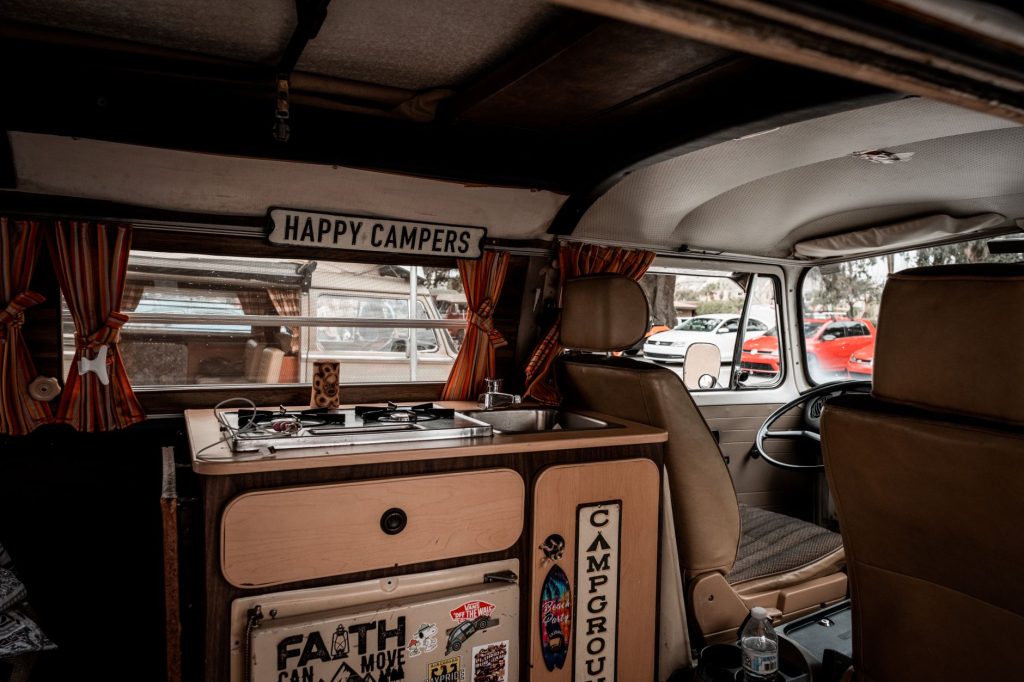
Embarking on van life offers incredible freedom, but preparing for it can feel daunting with countless gear options available. This guide cuts through the noise to identify the truly essential items for a successful life on the road in 2026, focusing solely on practicality and necessity. Discover what genuinely matters to equip your mobile home efficiently.
How to Think About Van Life Gear in 2025–2026

Most “van life essentials” lists are padded with lifestyle accessories before the author has even addressed whether you have reliable power or a safe way to heat your living space. The more credible guides — including the 2026 Vansmith build guide and the Halfwayanywhere winterizing resource — organize gear around core systems first, comfort second, and lifestyle items last. That hierarchy is the framework for everything below.
The categories that matter most, and that appear consistently across independent sources, are: power, water, ventilation and climate control, sleep, cooking, safety, toileting and hygiene, and tool/recovery gear. Prices cited here are current US retail ranges drawn from the verified sources linked at the bottom of this article — not estimates.
Power: The Foundation of Everything Else
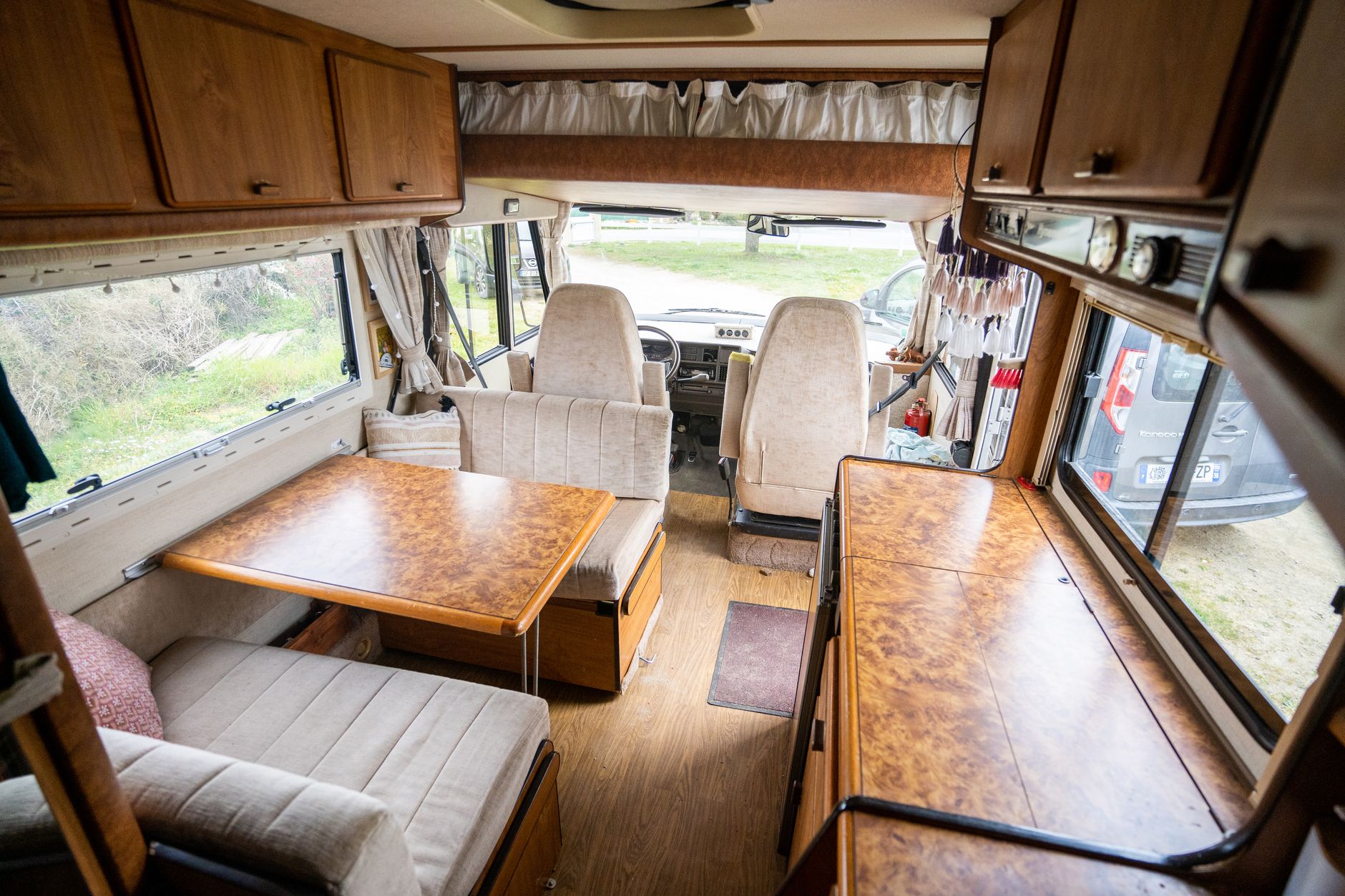
An off-grid electrical system is the single most consequential investment in a van build, and it’s also the area where undersizing or skipping a component causes the most downstream problems. Three Victron components appear repeatedly in the 2025–2026 sourced material as the clearest “buy once, use often” choices:
- Victron BMV-712 Smart Battery Monitor ($150–$200): Tracks your battery’s real state of charge in real time. The Vansmith guide calls battery monitors “worth every penny” — without one, you’re guessing whether you have enough reserve to run appliances overnight.
- Victron SmartSolar MPPT Units ($200–$600): Acts as the brain of your solar setup, maximizing the charge your panels deliver to the battery. MPPT controllers are measurably more efficient than PWM alternatives in partial-shade and low-angle-sun conditions.
- Victron MultiPlus Series Inverter/Charger ($800–$1,500): Provides reliable AC power and shore-charge capability in a single unit. The genuine tradeoff here is cost and complexity — the Vansmith source explicitly notes that professional installation is recommended, which adds to the total budget.
Power gear dominates the high end of the budget for good reason: everything else — your refrigerator, your lights, your phone and laptop — depends on it working correctly.
Ventilation and Climate Control
Condensation, heat buildup, and carbon monoxide risk from cooking or heating are three of the most common reasons van conversions become uncomfortable or unsafe. Sourced guides treat ventilation as non-negotiable.
- Maxxair 7500K Roof Vent Fan ($200–$300): Listed as “absolutely essential” in the sourced material. A powered roof vent manages moisture, draws out cooking fumes, and makes sleeping in warm weather genuinely viable. This is one of the clearest consensus picks across multiple guides.
- Webasto Air Top 2000 STC Diesel Heater ($1,000–$1,500): Recommended specifically for cold-weather or year-round van use. The 2025–2026 Halfwayanywhere winterizing guide emphasizes diesel and gas heaters as the practical solution for real cold, not just extra blankets. The tradeoff is cost and the need for proper venting — this is not a DIY-casual install.
For winter-specific preparation, the Halfwayanywhere source also highlights cab window covers, warm bedding layers, and fuel antigel supplements as practical additions that cost far less than a dedicated heater but complement it meaningfully in sub-freezing conditions.
Safety: The Items You Should Never Skip
Across every sourced guide, four safety items appear with the strongest consensus language — and none of them are optional:
- Fire extinguisher: Multiple guides treat this as a core safety item, especially given the combination of cooking appliances and electrical systems in a small enclosed space. A price isn’t confirmed in the sourced material, but this is a standard hardware-store purchase and should be in every build.
- Smoke and carbon monoxide detectors: The Vansmith guide specifically says both should be installed. CO risk is elevated in van environments where a heater or stove is running in a small, sometimes poorly ventilated space. No price is cited in the sourced material, but these are widely available at low cost.
- Noco Boost Portable Jump Starter (~$100): A recurring owner favorite in the sourced material. Dead batteries happen, and a portable jump starter means you’re not waiting for a stranger to pull up with cables in a remote location.
- Viair 88P Portable Compressor ($50–$70): Fits the “must-have” roadside-recovery category. Tire pressure management matters more in a loaded van than in a standard passenger vehicle, and this handles inflation, slow leaks, and pre-trip checks.
Sleep, Water, and Cooking
These three categories are where quality-of-life separates functional van builds from miserable ones.
- Tuft & Needle Adaptive Foam Mattress ($400–$800): The Vansmith guide frames sleep quality as a priority worth real investment. A van-cut memory foam mattress is consistently better than a camp pad or repurposed couch cushions for long-term use.
- Berkey Travel Water Filter ($250–$300): Positioned in the sourced material as both a health and convenience upgrade. Reliable access to clean drinking water without depending on campground hookups is foundational to true off-grid flexibility.
- Stanley 14-Piece Cookset ($45) and Bodum Gooseneck Kettle ($40): Both cited as practical, compact kitchen picks. The cookset covers basic meal prep; the kettle handles coffee, tea, and instant meals. Neither is glamorous, but both are low-cost and genuinely useful.
- Bialetti Espresso Maker ($50): The sourced guides are honest here — this is a comfort item, not a necessity. That said, it’s a cheap comfort, and it’s consistently popular in owner gear lists.
Connectivity and Emergency Communication
Two products cover the connectivity gap when you’re away from urban cell coverage:
- WeBoost Drive Reach RV ($500–$600): Useful for extending existing cellular signal in weaker areas. The honest caveat from the sourced material: a signal booster improves resilience but cannot create coverage where none exists. It’s a genuine tool, not a miracle fix. best mobile hotspots for off-grid travel
- Garmin inReach Mini 2 ($350–$400): Satellite communication backup for off-grid emergencies. The sourced guides treat this as an “ultimate backup” — it works where cell coverage has completely failed. The tradeoff is a subscription fee on top of the hardware cost.
Tools, Storage, and the Rest
- Leatherman Wave Plus Multi-Tool ($100–$120): One compact tool that handles dozens of small jobs. Consistently cited for its value-to-space ratio.
- Craftsman Mechanics Tool Set ($150–$200): Basic mechanical preparedness for roadside repairs and routine maintenance. The sourced material frames a real toolkit — not just a multi-tool — as essential for anyone planning extended road time. van conversion gear essentials
- Trelino Composting Toilet ($600): The Vansmith guide calls a portable toilet a “core van life necessity.” The composting design avoids the chemical cartridge replacement cycle. It’s expensive, but it directly solves a real daily problem for full-time van dwellers.
- Gregory Storage Bins ($33) and Husky Work Lights ($20): Low-cost organizational and utility items. Storage organization appears repeatedly in van-life planning guides as an underrated factor in liveability. best van storage and organization solutions
The Evidence-Based Bottom Line
If there’s a single “clearest winner” category in this list, it’s the Victron electrical ecosystem combined with the Maxxair vent fan — together, they solve the two problems that derail more van builds than anything else: power management and climate control. The Garmin inReach Mini 2 is the strongest single safety-oriented purchase for anyone traveling in genuinely remote areas, and the four safety items (fire extinguisher, CO detector, jump starter, compressor) are non-negotiable regardless of budget.
The honest tradeoff for the full list: the core electrical and climate systems alone can push $3,000–$4,000 before professional installation. That’s the real cost of a reliable off-grid build, and guides that gloss over it aren’t serving you well. Prioritize systems over accessories, safety over comfort, and comfort over lifestyle aesthetics — in that order.
Sources
- The Packable Life – Van Life Essentials
- Vansmith – Best Van Life Gear Essentials
- Vansmith – Best Van Life Gear in 2026: What’s Worth the Money
- Van Life Family UK – New to Van Life: A Beginner’s Guide
- Halfway Anywhere – Winterizing a Sprinter Van Guide
- Halfway Anywhere – Van Life Gift Guide 2025
Disclosure: This article was produced with AI-assisted research and editorial curation by VoltVentureLab.com. It may contain affiliate links; purchases made through those links may earn us a commission at no additional cost to you.