
The Jackery Explorer 2000 Plus stands out in the portable power station landscape, often highlighted for its rapid solar charging capabilities as a “Solar Speed Champion.” This 2026 review rigorously examines its core features, performance metrics, and overall value proposition for various power needs. Readers will find detailed analysis to help determine if this high-capacity unit aligns with their off-grid or emergency power requirements.
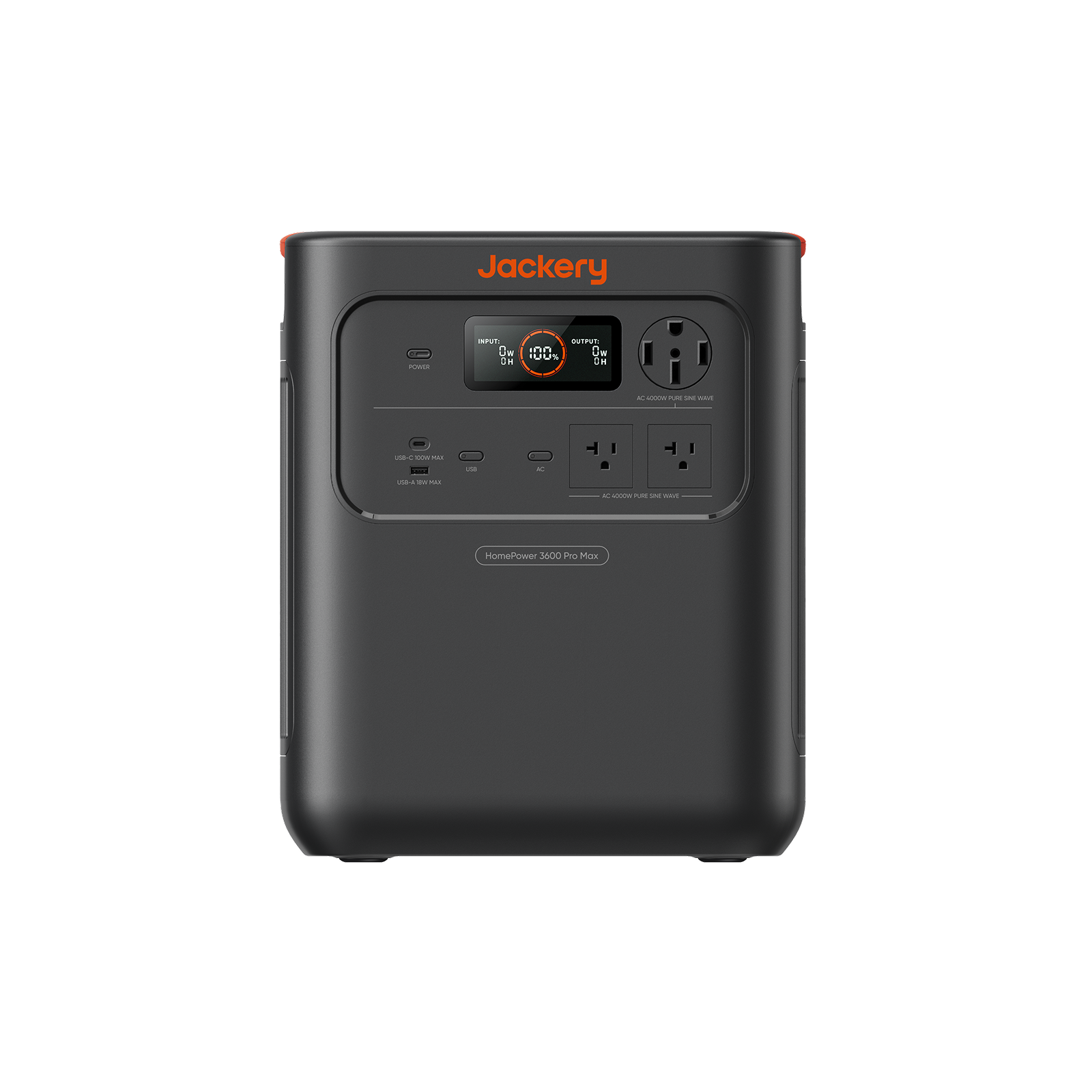 Top Pick
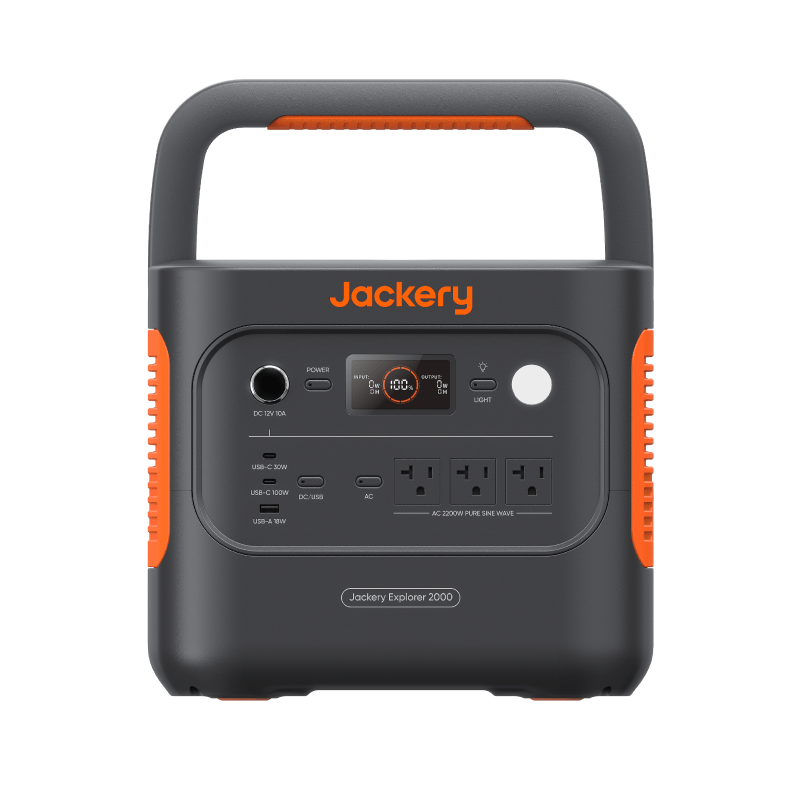 Best Value
Who This Review Is For
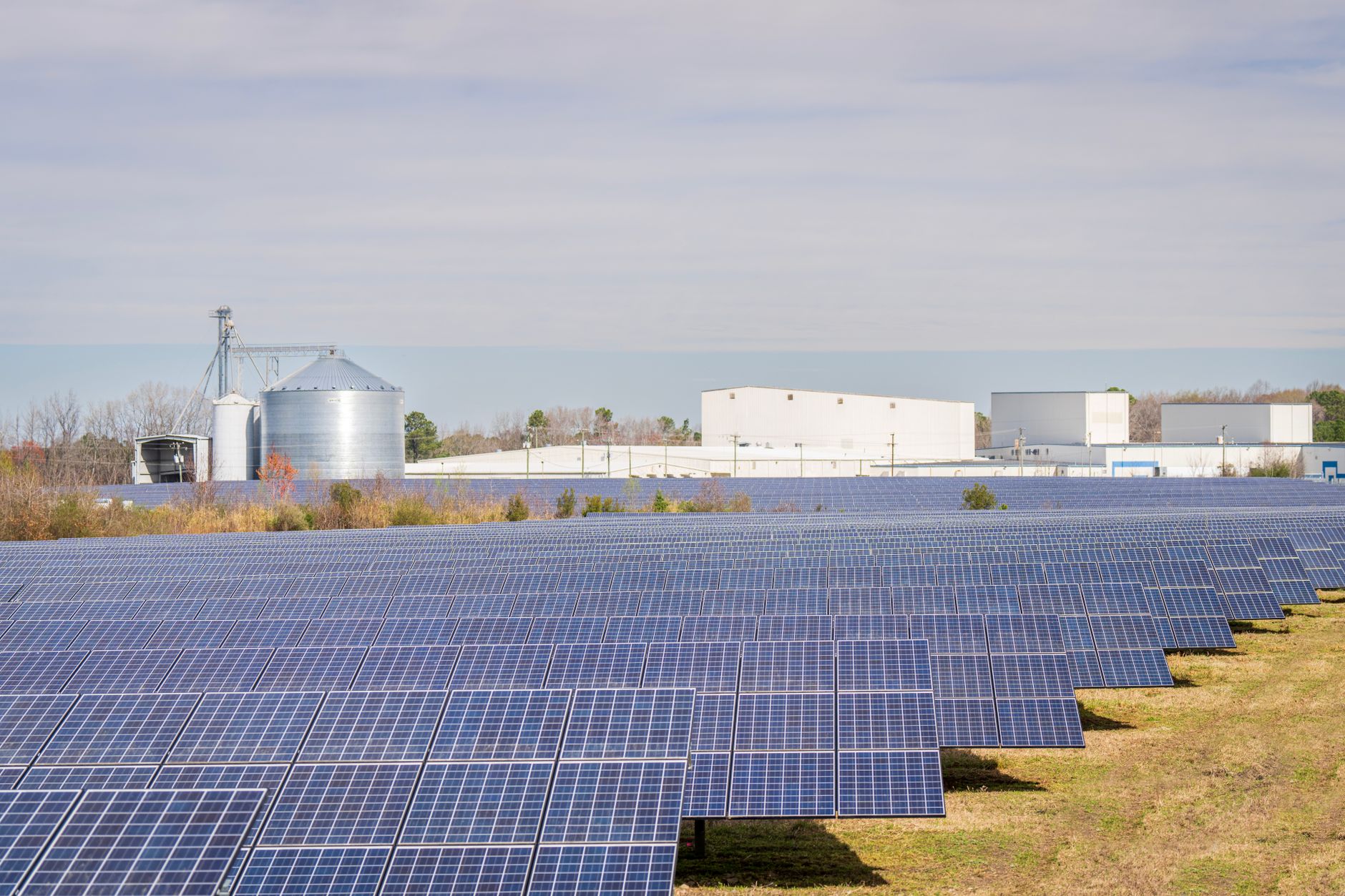
If you’re powering an RV, running a solar array at a remote cabin, or building a serious home-backup setup, the Jackery Explorer 2000 Plus belongs near the top of your shortlist. This review draws on published manufacturer specifications, retailer listings, and independent reviewer consensus to give you an honest picture of where this unit excels — and where it falls short. No fabricated test results, no invented benchmarks.
Core Specs at a Glance
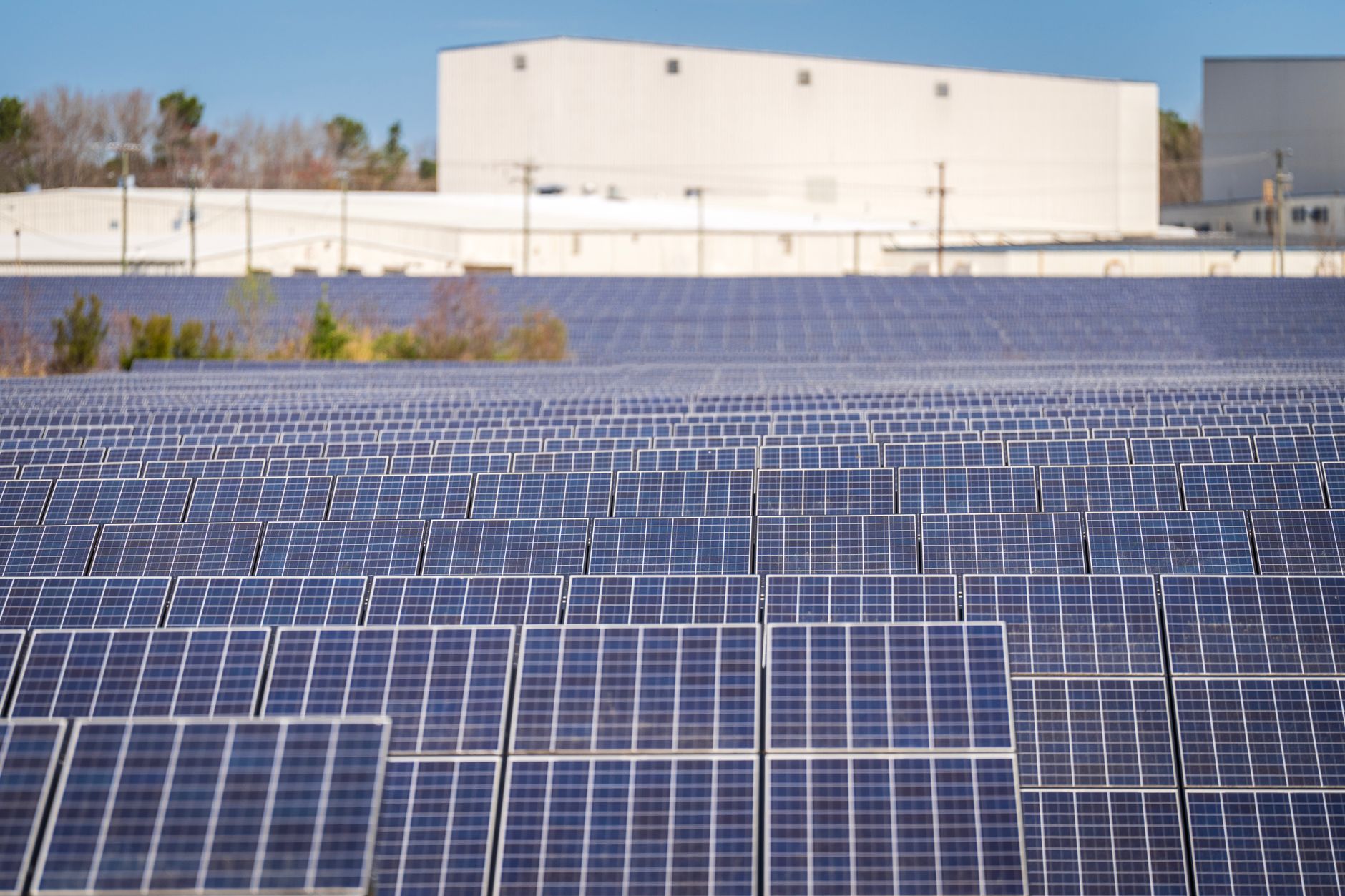
The Explorer 2000 Plus is built around a 2,042 Wh LiFePO4 battery, delivering 3,000 W of continuous AC output and 6,000 W peak surge — enough to run a window air conditioner, a mid-size RV, or heavy workshop tools without flinching. Jackery rates the battery for 4,000 charge cycles to 70% or better capacity, and markets the unit with a claimed lifespan of up to 10 years. The warranty is 3 years standard, extendable to 5 years when registered, per the Lowe’s product listing.
For context, its closest sibling — the Jackery Explorer 2000 v2 — shares the same 2,042 Wh capacity but tops out at 2,200 W AC output and charges to 100% in about 2.5 hours on AC, according to Outdoor Gear Lab’s data. The 2000 Plus charges faster and outputs more power, but those advantages come with meaningful tradeoffs discussed below.
Why “Solar Speed Champion” Is a Defensible Title
The Explorer 2000 Plus earns its solar-speed reputation through two numbers: approximately 2 hours to a full charge, whether via AC wall power or via six SolarSaga 200W panels under Jackery’s published test conditions. Both ZDNET and the Lowe’s product page confirm this ~2-hour claim. That’s meaningfully faster than the 2000 v2’s 2.5-hour AC figure and competitive with anything else in the 2 kWh class.
It’s worth being precise here: Jackery’s solar charging claims assume ideal panel orientation, full sun, and the maximum supported panel configuration. Real-world solar times will vary with weather, shading, and panel angle. Still, even adjusted for real conditions, independent reviewer coverage consistently reinforces that this unit charges faster than most competitors in its class. For off-grid and solar-forward use cases — the kind of buyers who visit sites like VoltVentureLab — that matters a great deal. best solar generators for RV camping
The Expandability Advantage
The single biggest differentiator between the 2000 Plus and almost every competitor at this price tier is its modular expansion system. Lowe’s confirms the unit can scale from its base 2 kWh to 12 kWh by adding up to five extra battery packs. Run two Explorer 2000 Plus units in parallel with a full complement of battery packs, and ZDNET reports the system reaches 24,000 Wh total capacity — a configuration priced at approximately $22,500 fully built out.
That ceiling matters for buyers planning in stages: you can start with the base unit for van life or weekend camping and grow the system over time as your energy needs or budget expand. No rewiring, no new inverters. The 2000 v2, by contrast, offers no battery expansion option whatsoever, according to Outdoor Gear Lab — what you buy is what you keep. For users who might eventually want home backup capability, that’s a significant long-term limitation.
This scalability also makes the Explorer 2000 Plus worth considering for solar installations alongside residential e-bike charging setups. best EV home charging stations
Portability: Capable, But Honest About Its Size
Jackery includes built-in wheels and a telescoping handle — a thoughtful addition for a unit this size. But it’s important to set expectations: this is not a grab-and-go unit. The Explorer 2000 v2 weighs in at a measured 38.9 lbs per Outdoor Gear Lab, and the 2000 Plus, with its higher output hardware and expansion ports, is a larger, heavier device. The wheels help significantly for camp setups and garage-to-driveway moves, but the Explorer 2000 Plus is realistically a semi-permanent basecamp or vehicle-based unit, not a day-hike companion.
If you genuinely need something lighter and simpler to carry, the Explorer 2000 v2 at a list price of $1,499 (seen on sale at significant discounts per Outdoor Gear Lab) is the more portable, no-frills alternative worth considering.
What Owners and Reviewers Actually Say
Across reviewer consensus and owner commentary compiled in this research, the praise clusters around three consistent themes:
- Fast charging — the ~2-hour recharge window is frequently called out as a genuine competitive edge for solar-dependent users.
- High-wattage output — the 3,000 W continuous figure opens up appliance use cases that smaller units simply can’t handle: portable ACs, refrigerators, power tools, and RV loads.
- Build quality and quiet operation — reviewers note the unit runs quietly during charging and that the construction feels appropriately robust for long-term use.
The complaints are equally consistent and worth taking seriously:
- Cost escalates fast — the base unit is a significant purchase, and each expansion battery pack adds meaningfully to the total. The $22,500 figure for a fully maxed-out system is real. Budget accordingly.
- Size and weight — even with wheels, this is a large unit. Buyers expecting compact portability will be disappointed.
- Price opacity — as of this writing, a stable, confirmed retail price for the base Explorer 2000 Plus unit is not reliably published in the sources available. Lowe’s carries it actively, and prices in this category shift frequently. Verify current pricing directly at retail before budgeting.
Genuine Tradeoffs to Weigh
No product in this category is perfect, and the Explorer 2000 Plus has real tradeoffs. Its high power output and expandability come at the cost of size, weight, and price. The 2000 v2 is lighter, simpler, and frequently available at a lower price point — for buyers who will never need more than 2 kWh and don’t plan to expand, the v2 may be the smarter, more honest purchase.
Additionally, Jackery’s solar charging claims — while supported by multiple reviewers as directionally accurate — are published under ideal conditions. Solar users in cloudy climates or with limited roof/panel space should model realistic charging times rather than assuming the 2-hour headline applies universally. how to calculate solar panel output for power stations
The Bottom Line: Who Should Buy This
The Jackery Explorer 2000 Plus is the right choice for buyers who need high continuous output (3,000 W), fast charging, a proven LiFePO4 battery with a 4,000-cycle rating, and a credible path to scaling capacity over time. It’s best suited to RV owners, off-grid solar setups, and serious home-backup users who want one platform that can grow with their needs.
If you need maximum portability, plan never to expand beyond 2 kWh, or are working with a tighter budget, the Explorer 2000 v2 at $1,499 list (and potentially lower on sale) is a legitimate alternative that sacrifices output ceiling and expandability for a simpler, lighter package.
The Explorer 2000 Plus earns its reputation as a solar-speed leader. Just go in with clear eyes about the size, the price trajectory, and the gap between ideal-condition specs and real-world results.
Sources
- ZDNET — Jackery Explorer 2000 Plus Review
- Lowe’s — Jackery Explorer 2000 Plus Product Page
- Outdoor Gear Lab — Best Power Stations
- YouTube — Explorer 2000 Plus Video Review
- YouTube — Explorer 2000 Plus Video Coverage
- Air Forums — Owner Discussion: Circuit Tripping
Disclosure: This article was produced with AI-assisted research and editorial review. VoltVentureLab.com may earn a commission through affiliate links at no additional cost to you.