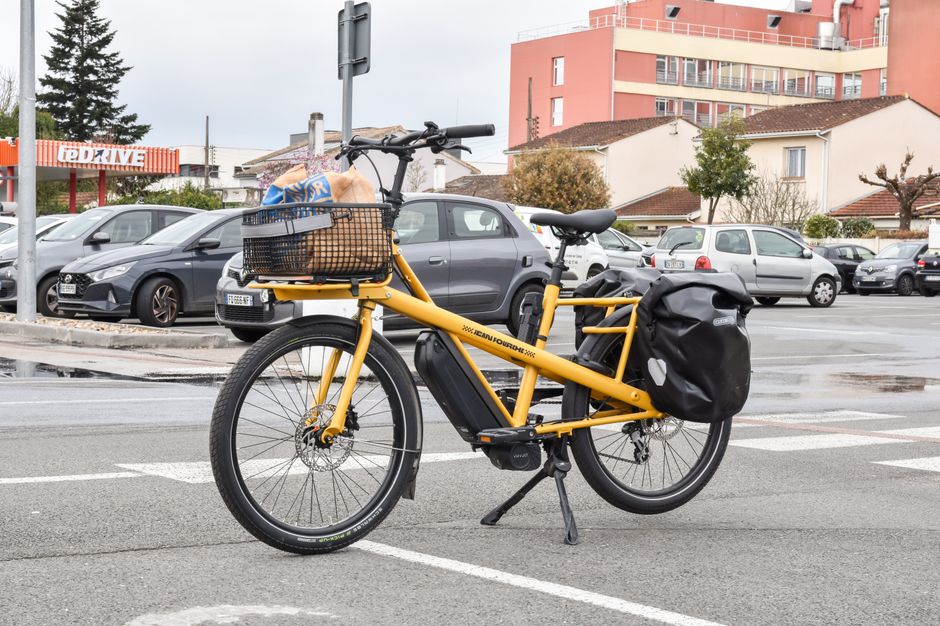
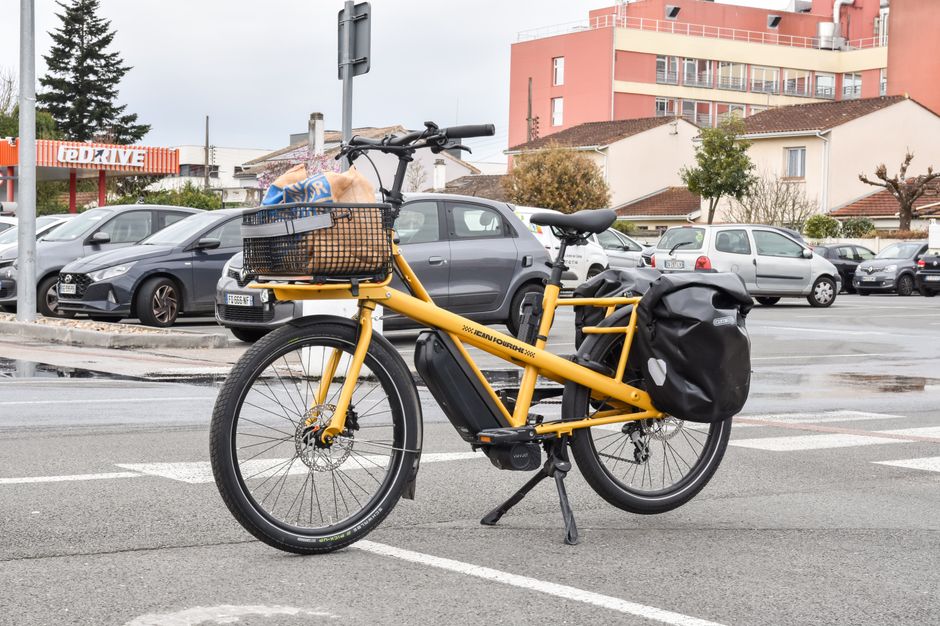
Hub Motor vs Mid-Drive Motor on E-Bikes: Which Should You Buy in 2026?
VoltVentureLab is reader-supported. When you buy through links on this page we may earn a commission. We research using published specs, manufacturer data and owner reports — how we work.
The single most consequential decision when buying an electric bike isn't the brand or the color — it's where the motor lives. The debate over hub motor vs mid-drive motor on e-bikes shapes everything from how much you'll pay upfront to how the bike handles a long, steep climb. This guide cuts through the marketing noise using published manufacturer specs, current retail prices, and sourced expert analysis to give you a clear, honest answer.
Short version: neither motor type is universally better. The right choice depends on your terrain, budget, and how much maintenance you're willing to accept. Here's what the data actually shows.
How the Two Motor Types Work — and Why It Matters
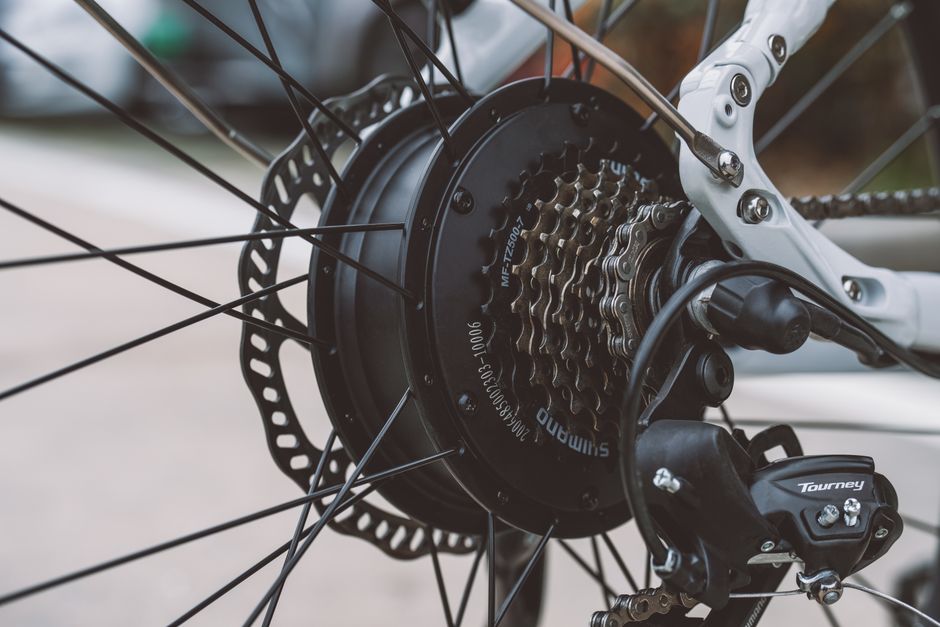
A hub motor is built directly into the front or rear wheel. It operates independently of the bike's drivetrain — the chain, cassette, and derailleur. A mid-drive motor sits at the bottom bracket (the crank area) and feeds power directly through the chain and gears, working with your existing drivetrain rather than around it.
That fundamental difference drives almost every real-world tradeoff:
- Torque delivery: Hub motors typically produce 40–80 Nm of torque; mid-drives commonly reach 60–100+ Nm. As Bike-EV notes, torque — not watt ratings — is the metric that actually determines hill-climbing performance. High-wattage marketing is widespread, but a 500W mid-drive with 85 Nm will outclimb a 750W hub motor with 55 Nm on a sustained grade.
- Sensor type: Budget hub bikes frequently use cadence sensors, which deliver power when you pedal — regardless of how hard. This creates the "push/scooter" feel many riders find unnatural. Torque sensors, which respond to actual pedaling effort, are becoming standard above roughly $1,800 according to Bike-EV, and are more common on mid-drive models.
- Weight distribution: A rear-hub motor shifts weight toward the back wheel. Mid-drive motors keep mass centered and low, which measurably improves handling, especially on technical terrain.
- Drivetrain wear: Because hub motors bypass the chain entirely, drivetrain components last longer. Velotric highlights this directly — the motor being independent of the drivetrain reduces chain and cassette wear. Mid-drives, by contrast, route motor torque through the chain continuously, accelerating component wear. One service estimate in the research puts mid-drive annual maintenance at roughly €180 versus €120 for hub motors, though those figures come from a single catalogue and should be treated as directional rather than exact.
how e-bike motors work — beginner's guide
Real Prices: What You'll Actually Pay in 2026
The price gap between motor types is real and significant. Based on current retail listings:
- Hub-motor bikes range from under $400 (Fiido D3 Pro at $399 per Mathbikes) to around $2,000. The Heybike Ranger 2.0, a rear-hub model with 1,400W peak output, was priced at $674.99 in BoostRider's September 2026 price check. The Velotric Discover 3 sits at $1,999.
- Mid-drive bikes start around $1,900 for comparable quality, per EBikeGearLab. The Ride1Up Prodigy V2 lists at $2,395 (frequently discounted to $1,795–$1,995) and pairs a 90 Nm Brose motor with a torque sensor. The Trek Allant+ 8S carries an 85 Nm Bosch motor and 625Wh battery, currently listed at $3,199 — reduced from $5,000 — with an estimated real-world range of 30–75 miles. The Velotric Discover M at $2,499 represents what Velotric explicitly calls a $500 premium over its hub-motor equivalent.
Rough category ranges from multiple sources: Bike-EV puts hub bikes at $900–$1,800 and mid-drives at $1,800–$4,000; EBikeGearLab pegs mid-drives as starting around $1,900 versus $1,000 for a comparable hub bike. Himiway's ranges skew slightly higher across both categories. The consistent signal across all sources: expect to pay a meaningful premium for a mid-drive system.
For riders who want the mid-drive experience on a tighter budget, Bafang conversion kits are worth knowing about. The BBS02B 750W produces 120 Nm for approximately $380 before battery; the more powerful BBS-HD 1000W delivers 160 Nm for around $630 before battery. These require mechanical comfort and a compatible frame.
best e-bikes under $2,000 — curated picks
When to Choose Each Motor Type
Both motor types have genuine strengths. Here's how to match them to your actual riding situation:
Choose a hub motor if:
- Your riding is primarily flat or gently rolling terrain. Bike-EV rates hub motors as practical, affordable, and sufficient for flat-city riding.
- You want lower upfront cost. Mokwheel attributes the price advantage directly to mechanical simplicity.
- You prefer minimal drivetrain maintenance. The motor's independence from the chain is a genuine long-term benefit.
- You're new to e-bikes and want a low-stakes entry point.
Choose a mid-drive if:
- You regularly climb steep hills. Bike-EV specifically advises against hub motors for grades of 8% or steeper.
- Natural pedal feel matters to you. Velotric describes mid-drive assist as responding to your cadence in a way that feels integrated rather than mechanical.
- You're buying for mixed terrain, loaded touring, or longer distances. The 2026 sweet spot identified by Bike-EV — 70–85 Nm paired with a 625Wh battery — describes a mid-drive configuration.
- You want simpler flat-tire service (the motorized wheel isn't involved).
The genuine tradeoff to accept with mid-drive: drivetrain components wear faster. Because motor torque runs through the chain, chains and cassettes will need more frequent replacement than on a comparable hub-motor bike. This is not a dealbreaker, but it is a real ongoing cost that budget comparisons often ignore.
Safety Certifications: A Non-Negotiable in 2026
Before finalizing any purchase, verify the bike and battery carry current safety certifications. The regulatory landscape has shifted significantly:
- California has required third-party testing to UL 2849 or EN 15194 for all new e-bikes, batteries, and chargers sold in the state since January 1, 2026.
- New York City has mandated UL 2849-certified e-bikes and UL 2271 batteries under Local Law 39 since September 2023.
- Colorado's HB 25-1197 bans the sale or rental of uncertified e-bike batteries.
- Illinois' Public Act 104-0414 and Washington DC's Act A26-0420 (signed October 16, 2026) add further state-level requirements.
- At the federal level, the CPSC published a proposed rule (16 CFR Part 1265) on June 24, 2026, that would make lithium-ion battery safety standards mandatory for e-bikes and micromobility devices, including chargers, replacement packs, and conversion kits. A public hearing was held October 21, 2026; as of that date, the rule remains a proposal.
Whatever motor type you choose, prioritize bikes that display UL 2849 or EN 15194 certification — especially for the battery. This matters for hub and mid-drive bikes equally.
Verdict: Which Motor Type Wins?
For most urban and suburban riders on a budget under $1,500, a hub-motor e-bike is the smarter starting point. Lower cost, simpler maintenance, and adequate performance on flat terrain make hub motors the practical majority choice. The comparison of hub motor vs mid-drive motor on e-bikes only shifts decisively toward mid-drive when hills, long distances, or a natural pedal feel become priorities.
For riders tackling regular climbs, carrying cargo, or seeking a performance-oriented ride, a quality mid-drive — the Ride1Up Prodigy V2 at its frequent sale price or the Trek Allant+ 8S at its current $3,199 — justifies the premium. Just budget for faster chain and cassette replacement.
Looking for a city-ready hub-motor e-bike that doesn't require a compromise on features? The Heybike Cityscape Step-Thru packages integrated lighting, a clean frame design, and a 500W rear hub into a sub-$1,000 package — making it one of the more complete urban options at that price point. It won't conquer mountain grades, but for daily commuting and errands on relatively flat ground, the specs are solid for the category.
→ See the Heybike Cityscape Step-Thru and other top picks under $1,000 at VoltVentureLab
best commuter e-bikes — full comparison guide
Sources
- Mokwheel: Mid-Drive vs Hub Drive — Which E-Bike Motor Is Best?
- Velotric: Hub Motor vs Mid-Drive E-Bike Guide
- Himiway: Best E-Bike for the Money — Top 10 Value Bikes Ranked
- BoostRider: Best Mid-Drive E-Bikes in 2026 — Top Picks Ranked
- Stoke Bike: Mid-Drive vs Hub Motor Guide
- EBikeGearLab: Best Mid-Drive Electric Bike
- Mathbikes: Mid-Drive vs Hub Motor — Which E-Bike Motor Is Right for You?
- Bike-EV: Mid-Drive vs Hub Motor E-Bikes 2026
Disclosure: This article is AI-assisted research compiled by VoltVentureLab editors and contains affiliate links. We may earn a commission on purchases made through those links at no additional cost to you. All prices and specifications are sourced from manufacturer pages and third-party publications as cited; verify current pricing before purchasing. Some source sites may have affiliate relationships with the brands they cover.
Products mentioned
Affiliate links — we may earn a commission if you buy, at no extra cost to you. Prices change; check the current price.
Get the honest weekly roundup
One short email a week: real prices, new e-bike and backup-power deals, and what's actually worth buying. No spam.