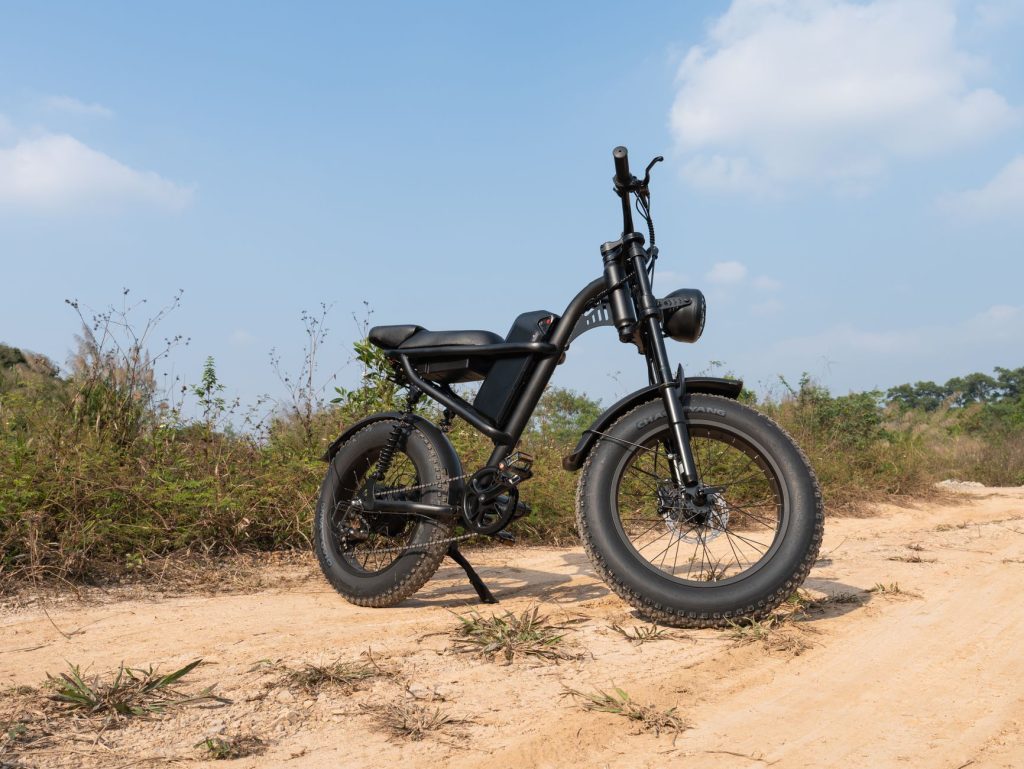
Choosing between popular e-bike brands like Himiway and Rad Power Bikes can be a significant decision for any prospective owner. This guide offers an in-depth, research-based comparison of their anticipated 2026 models, examining crucial aspects like specifications, build quality, and overall rider experience. Our goal is to highlight the distinct advantages of each brand to help you determine which best suits your needs and budget.
 Top Pick
 Premium Pick
 Budget Pick
How We Compared These Two Brands

Himiway and Rad Power Bikes are two of the most frequently searched e-bike brands in North America, and for good reason: both offer capable, purpose-built bikes at prices that undercut the premium European field. But they are not competing for the same rider. This comparison draws on published reviews, manufacturer specs, and third-party buyer guides to help you figure out which brand actually fits your use case in 2025–2026. No single brand is universally better — but for most buyers, one is clearly the smarter call. best electric bikes
Brand Philosophies: Utility vs. Comfort-Adventure

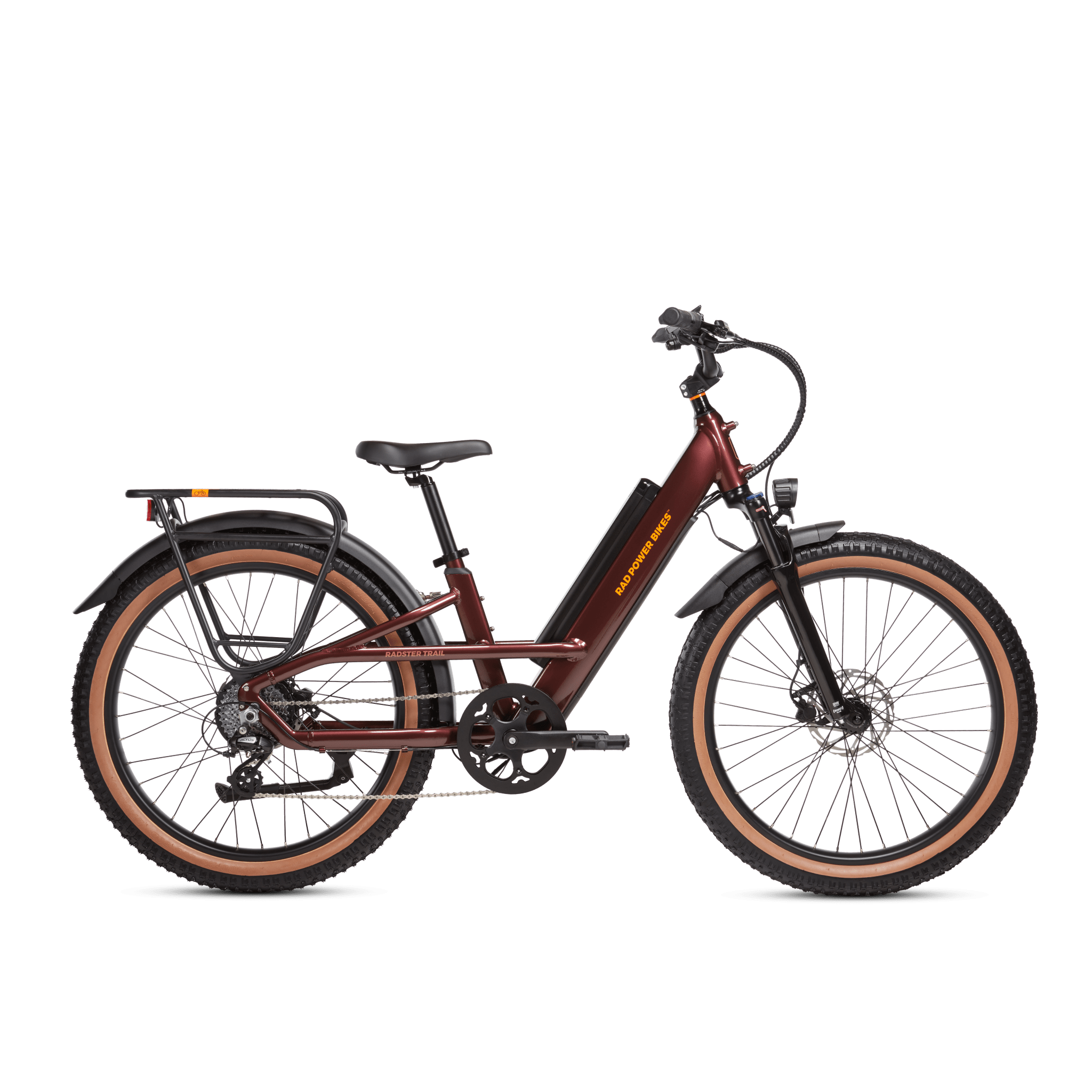
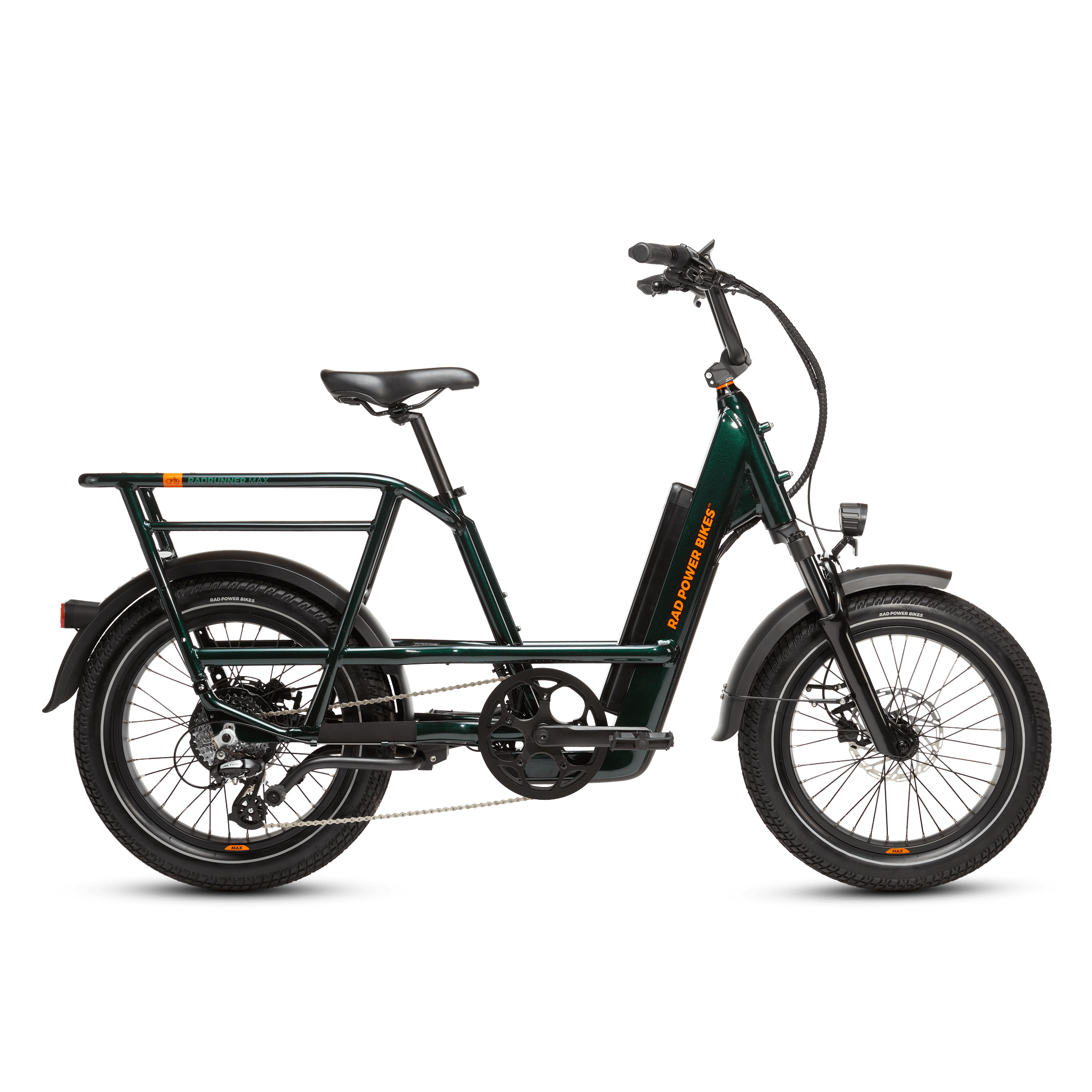
Rad Power Bikes has built its reputation on utility-first geometry: cargo capacity, family hauling, and everyday practicality. Models like the RadWagon 5 and RadExpand 5 Plus are engineered around high payload ratings and durable commuter use rather than trail performance. The RadWagon 5, for instance, is rated for a 375 lb total payload with a 120 lb rear rack capacity — specs that matter if you are regularly carrying a child seat, groceries, or delivery loads. The RadExpand 5 Plus adds portability through a folding frame while still offering a 315 lb payload and 45+ miles of assisted range.
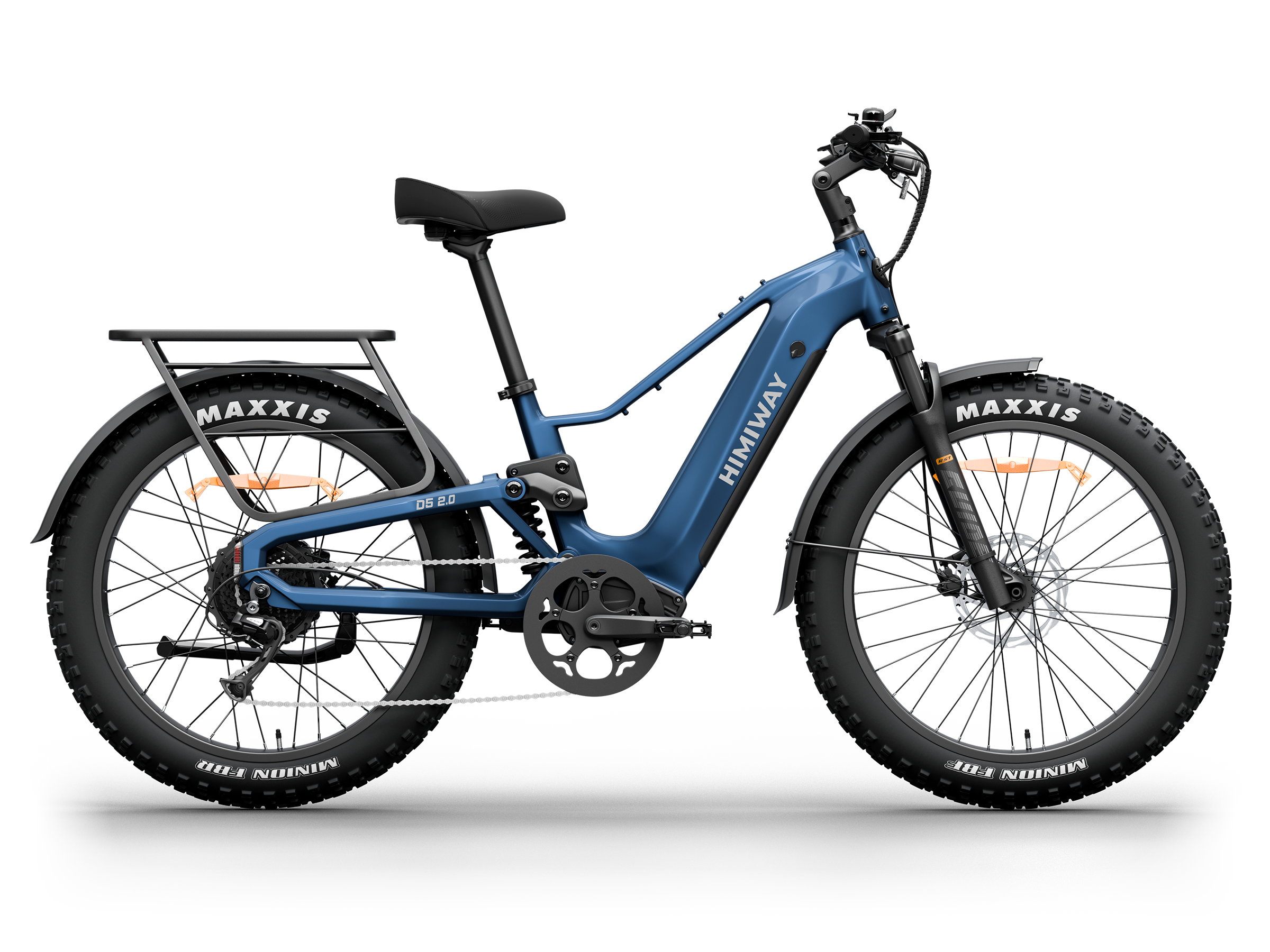
Himiway takes a different angle. The brand’s identity is centered on fat-tire comfort, full-suspension builds, and off-pavement capability at accessible price points. Its flagship for 2025–2026 is the D5 2.0 Step-Thru, priced at $1,999 — a full-suspension fat-tire bike with a 750W rear hub motor, 90 Nm of torque, and switchable Class 1/2/3 operation. That combination of specs at that price point is genuinely competitive with bikes selling for $500–$800 more from other brands. fat tire electric bikes
Spec-by-Spec Breakdown
Where published data allows a direct comparison, here is how the leading models stack up:
- Motor torque: The Himiway D5 2.0 delivers a verified 90 Nm from its 750W rear hub motor — a high figure for this price tier that translates to strong hill climbing and confident low-speed control. Rad Power Bikes lists a 750W motor on the RadWagon 5, but the available published sources do not include a confirmed torque figure for direct comparison.
- Suspension: The D5 2.0 offers full suspension with 100mm front travel and 130mm rear travel — a meaningful comfort and control advantage on rough pavement or light trails. The RadWagon 5 and RadExpand 5 Plus are utility-focused platforms; available published specs for these models do not detail suspension travel, suggesting they are optimized for load stability rather than trail absorption.
- Battery and safety certification: The Himiway D5 2.0 uses a 48V 15Ah battery with UL 2271 certification, which covers the battery pack itself. Buyers evaluating either brand should also check for UL 2849 certification, which covers the full electrical system including motor and wiring — third-party analysts have flagged this as an important safety signal, and unclear certification should be treated as a red flag regardless of brand.
- Speed and class: The D5 2.0 is Class 1/2/3 switchable, reaching 20 mph in Class 1/2 mode and 28 mph in Class 3. It is worth noting that throttle use above 20 mph is generally not legal on public roads in most U.S. states, even when the bike is technically capable of higher speeds. The RadExpand 5 Plus is listed at a 20 mph assist speed.
- Payload and cargo: Himiway’s published review sources do not state a verified maximum payload for the D5 2.0 — a gap worth noting. Rad Power Bikes, by contrast, publishes payload ratings prominently: 375 lb for the RadWagon 5 and 315 lb for the RadExpand 5 Plus. If you are hauling heavy loads, Rad’s transparency here is a practical advantage.
- Brakes: The D5 2.0 uses Tektro hydraulic disc brakes with 180mm rotors — a quality component choice that reviewers highlight positively. Brake specifications for Rad’s current lineup were not available in the published sources reviewed for this article.
- Range: The RadWagon 5 is listed with 60+ miles of range, and the RadExpand 5 Plus at 45+ miles. A verified max-range figure for the Himiway D5 2.0 was not confirmed in the published sources reviewed here — if range is a top priority, verify this directly with Himiway before purchase.
Real-World Ride Experience: What Owners and Reviewers Say
Published reviews of the Himiway D5 2.0 praise its dual sensor system, which lets riders switch between a torque-sensor feel for responsive, natural pedaling and a cadence-sensor mode for more effortless cruising. The full suspension is consistently highlighted as a genuine differentiator for riders who encounter potholes, gravel, or broken urban pavement. The honest tradeoffs: the D5 2.0 is a heavy bike, and taller riders have noted that the stock seatpost may require an aftermarket upgrade for an optimal fit. It is also explicitly not designed for technical mountain biking — the full suspension is a comfort feature, not a trail-racing credential.
Rad Power Bikes earns consistent praise for load-bearing durability and family utility. The RadWagon 5 in particular is frequently cited as a genuine car-replacement for school runs and grocery trips. The brand’s weakness in current buyer discussions is competitive value relative to some newer entrants, and its folding bike line is more conservative on speed compared to some rivals at similar price points.
A Note on Rad Power Bikes’ Business Situation
Buyers considering Rad Power Bikes in 2025–2026 should be aware that at least one third-party comparison guide has raised questions about the brand’s long-term operational stability, framing this as a risk factor for parts availability and ongoing customer support. This has not been confirmed as a closure announcement, and it should be treated as a due-diligence flag rather than a verdict. Before purchasing any e-bike — from any brand — it is worth verifying the company’s current warranty terms, parts supply chain, and service network. This applies equally to Himiway and Rad Power Bikes. e-bike buying guide
Which Brand Wins — and for Whom
The honest answer is that neither brand wins universally, but each wins clearly in its lane:
- Rad Power Bikes is the stronger choice if your priority is cargo hauling, carrying passengers or children, high payload capacity, or a broader model range suited to utility commuting. The RadWagon 5’s 375 lb payload and 60+ mile range are serious working specs for family riders.
- Himiway is the stronger choice if your priority is fat-tire comfort, full suspension, strong torque for hills, and maximum feature-per-dollar value at around the $2,000 price point. The D5 2.0 Step-Thru at $1,999 with full suspension and 90 Nm torque represents a genuinely competitive package that comparable spec’d bikes often exceed in price.
Our evidence-based recommendation: For buyers who primarily want a family cargo hauler or a high-payload urban utility bike, Rad Power Bikes remains purpose-built for that role — but verify the brand’s current support and service availability before committing. For buyers who want a comfortable all-rounder with suspension and off-pavement capability at a value price, the Himiway D5 2.0 is the more compelling 2025–2026 purchase based on published specs and reviewer consensus. In either case, confirm UL electrical certification, current warranty terms, and local dealer or service access before you buy.
Sources
- Velotric: How to Choose Alternatives to Rad Power Bikes
- eBike Escape: Himiway D5 2.0 Review
- Upway: Rad Power vs. Lectric E-Bike Brand Comparison
- Himiway: D5 2.0 vs. Aventon Aventure 3
- Electric Bike Report: Best Electric Bikes
Disclosure: This article was produced with AI-assisted research and editorial review. VoltVentureLab.com may earn a commission from affiliate links at no additional cost to you.