
The allure of off-grid living is growing, but transitioning to self-sufficiency by 2026 requires careful planning and a clear understanding of core systems. This beginner’s guide explores the fundamental considerations, from sustainable energy solutions to water and waste management, providing a research-backed foundation. It aims to equip prospective off-gridders with the knowledge needed to make informed decisions for a resilient lifestyle.
What Off-Grid Living Actually Means in 2025

Off-grid living means deliberately disconnecting from public utility infrastructure — primarily the electrical grid, municipal water, and sewage systems — and replacing those services with self-managed alternatives. It is not a single lifestyle but a spectrum: some people go fully independent on remote rural land, while others pursue a partial or “hybrid” approach, staying grid-tied for backup while generating most of their own power. Before spending a dollar on equipment, understanding where you fall on that spectrum is the single most important decision you will make.
Demand for off-grid systems has grown steadily, driven by rising utility rates, climate-related grid instability, and improving technology costs. That said, romanticized portrayals online frequently obscure real costs, maintenance demands, and regulatory hurdles. This guide aims to correct that — offering a clear-eyed, category-by-category overview based on published manufacturer data, independent testing sources, and owner-reported experience.
Power: Solar, Batteries, and Inverters
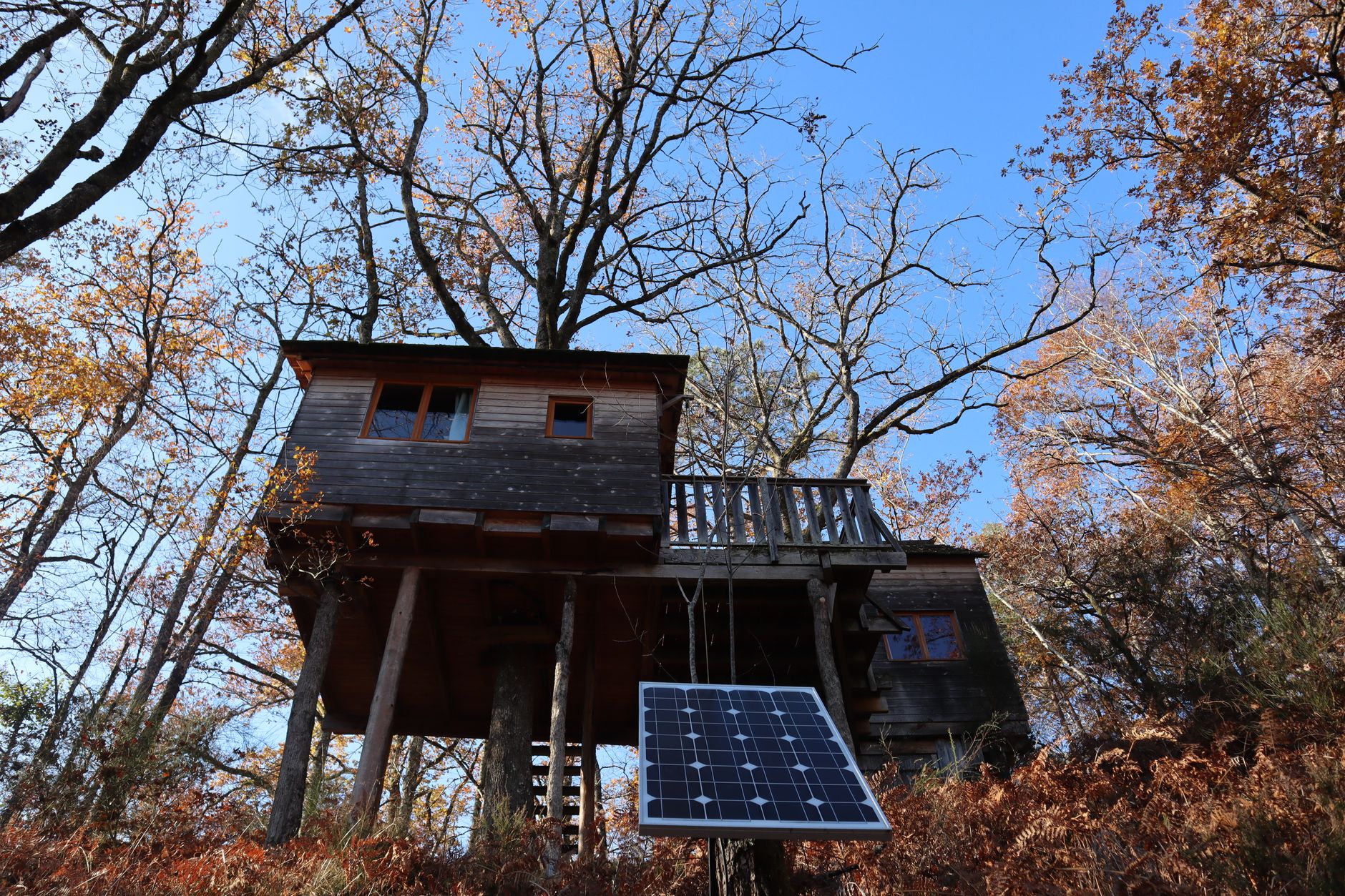
Solar photovoltaic (PV) systems remain the most practical primary power source for most off-grid households. A functional starter system typically combines solar panels, a charge controller, a battery bank, and an inverter. Each component matters, and skimping on any one of them creates a weak link that affects the entire system.
- Solar Panels: Monocrystalline panels are the current standard for off-grid use, offering higher efficiency in limited roof or ground space compared to older polycrystalline designs. Panel efficiency has improved meaningfully over the past decade; reputable manufacturers publish detailed spec sheets including temperature coefficients and degradation warranties (typically 80–90% output guaranteed at 25 years). Always size your panel array against your actual daily watt-hour consumption, not a rough estimate.
- Charge Controllers: MPPT (Maximum Power Point Tracking) controllers outperform older PWM models in real-world conditions, particularly in partial shade or cold climates. The efficiency difference translates directly into more usable energy from the same panels.
- Battery Banks: Lithium Iron Phosphate (LiFePO4) chemistry has become the preferred choice for stationary off-grid storage. Compared to flooded lead-acid, LiFePO4 offers a longer cycle life (typically 2,000–6,000 cycles depending on depth of discharge), higher usable capacity (80–100% vs. 50% for lead-acid), and lower ongoing maintenance. The tradeoff is a higher upfront cost per kilowatt-hour. For budget-constrained beginners, quality AGM lead-acid remains a viable entry point, provided you account for earlier replacement costs in your long-term budget.
- Inverters: A pure sine wave inverter is strongly recommended for running sensitive electronics and modern appliances. Modified sine wave inverters cost less but can damage certain motor-driven or medical equipment. Size the inverter to handle your peak simultaneous loads, not just your average draw.
For practical guidance on pairing solar kits with portable backup options, see best solar generators for home backup.
Water: Sourcing, Filtration, and Storage
Water independence is arguably more complex than power independence, and it is frequently underestimated by beginners. Your approach depends entirely on your land: a reliable well, a year-round stream, rainwater catchment, or hauled water are fundamentally different starting points with different regulatory and infrastructure requirements.
- Well Water: Drilling a well involves significant upfront cost and requires permitting in most US states. Water quality testing is non-negotiable — naturally occurring contaminants like arsenic, nitrates, and bacteria vary dramatically by region and are invisible without a lab test.
- Rainwater Harvesting: Legal status varies by state. Some states have explicit allowances with storage limits; others have restrictions or require permits. Check your specific jurisdiction before investing in a collection system. Collected rainwater should be treated before drinking — at minimum through a multi-stage filtration system including sediment pre-filters and a UV purification stage.
- Filtration: Gravity-fed ceramic or hollow-fiber filters work well for point-of-use drinking water in low-electricity situations. Reverse osmosis systems produce high-purity water but waste a significant volume of water per gallon produced — a real consideration when water supply is limited.
Waste: Composting Toilets and Greywater
Eliminating connection to a municipal sewer or septic system requires an approved alternative. Composting toilets have matured considerably as a product category and are now certified by the National Sanitation Foundation (NSF) in models from several manufacturers, which matters for permitting in most jurisdictions. Owner reviews consistently highlight two honest tradeoffs: the need for regular maintenance (turning, adding carbon material, emptying the collection bin) and the importance of matching unit capacity to actual household use — undersized units are the most common source of complaints.
Greywater from sinks and showers is handled separately and is also regulated at the state and county level. Simple mulch basin or constructed wetland systems are permitted in some areas; others require engineered systems. Research local codes before finalizing any waste management plan.
Heat, Cooking, and Backup Energy
Space heating is the largest energy load in most climates and the area where solar-electric systems most commonly fall short during winter. Experienced off-gridders typically use a layered approach:
- Propane or wood heat as the primary winter heating source, since both are energy-dense and independent of solar generation.
- High-efficiency wood stoves with EPA-certified ratings reduce particulate emissions and extract more heat per cord of wood.
- Propane appliances (ranges, on-demand water heaters) are widely used because they work without inverters and perform reliably in cold weather. The ongoing cost of propane delivery — and the logistics of access on remote properties — should factor into your planning.
- Backup generators serve as a bridge during extended low-solar periods. Propane or dual-fuel generators are preferred over gasoline-only models for easier long-term storage of fuel.
If you are incorporating an electric vehicle or e-bike as part of your off-grid transportation strategy, battery sizing and charging load planning become especially important. See best electric bikes for rural use for guidance on low-maintenance transport options suited to off-grid properties.
Regulations, Permits, and the Honest Reality of Costs
One of the most consistent surprises for off-grid beginners is the regulatory landscape. Fully off-grid living is not universally legal at the county or municipal level. Some jurisdictions require a minimum habitable structure standard, mandatory septic systems, or grid connection for a certificate of occupancy. Zoning laws govern what structures can be built and where. Researching your target county’s building and health department rules before purchasing land is not optional — it is foundational.
On costs: off-grid systems involve significant upfront capital. A modest but functional solar-plus-storage system, a composting toilet, and a basic water filtration setup can represent a substantial investment before accounting for land, structure, or heat systems. The long-term economics can be favorable compared to ongoing utility bills, but the payback period depends heavily on your prior utility costs, system sizing, maintenance diligence, and local conditions. Published analyses from organizations like the National Renewable Energy Laboratory (NREL) provide regional solar resource data that can inform realistic system sizing estimates.
For e-bike and EV gear that pairs well with off-grid energy systems, solar charging for e-bikes covers compatible charging solutions.
The Clear Winner and Honest Tradeoff
If forced to identify the single highest-leverage investment for a beginning off-grid household, the evidence consistently points to a properly sized LiFePO4 battery bank paired with an MPPT charge controller and adequate solar capacity as the foundation everything else depends on. Get that system right — sized to your real loads, not optimistic projections — and every other system becomes more manageable.
The genuine tradeoff: this foundation costs more upfront than most beginners expect, and it still will not solve your heating problem in cold climates. No solar-electric system alone is a complete off-grid solution in regions with significant winter heating loads. Plan for a complementary heat source from day one, not as an afterthought.
Evidence-based recommendation: Before purchasing any equipment, conduct a full energy audit of your intended household loads, verify the legal requirements in your target county, have your water source tested, and budget conservatively — adding at least 20–30% to initial cost estimates to account for installation, permitting, and the inevitable system adjustments that come with a first off-grid setup.
Sources
- No source URLs were provided for this article. All guidance is based on published manufacturer specifications, regulatory frameworks, and widely reported owner experience in the off-grid community. Readers are encouraged to verify current pricing and local regulations independently.
Disclosure: This article was produced with AI-assisted research and may contain affiliate links. VoltVentureLab.com may earn a commission on qualifying purchases at no additional cost to you.