
Thinking about replacing your car with an e-bike? This comprehensive guide provides an honest examination of the feasibility, considerations, and potential hurdles involved in making such a significant lifestyle change. It explores various e-bike categories, practical applications, and crucial factors to evaluate before committing to an e-bike as your primary mode of transport.
Can an E-Bike Really Replace Your Car? An Honest Assessment

The claim that an e-bike can replace a car gets thrown around frequently in cycling media, often by people who still own a car. The honest answer is more nuanced: for a meaningful segment of commuters and errand-runners, a well-chosen e-bike can eliminate most car trips — but “most” is doing a lot of work in that sentence. This guide walks through who can realistically make the switch, what to look for in a car-replacement e-bike, and what the genuine tradeoffs look like.
Who This Actually Works For
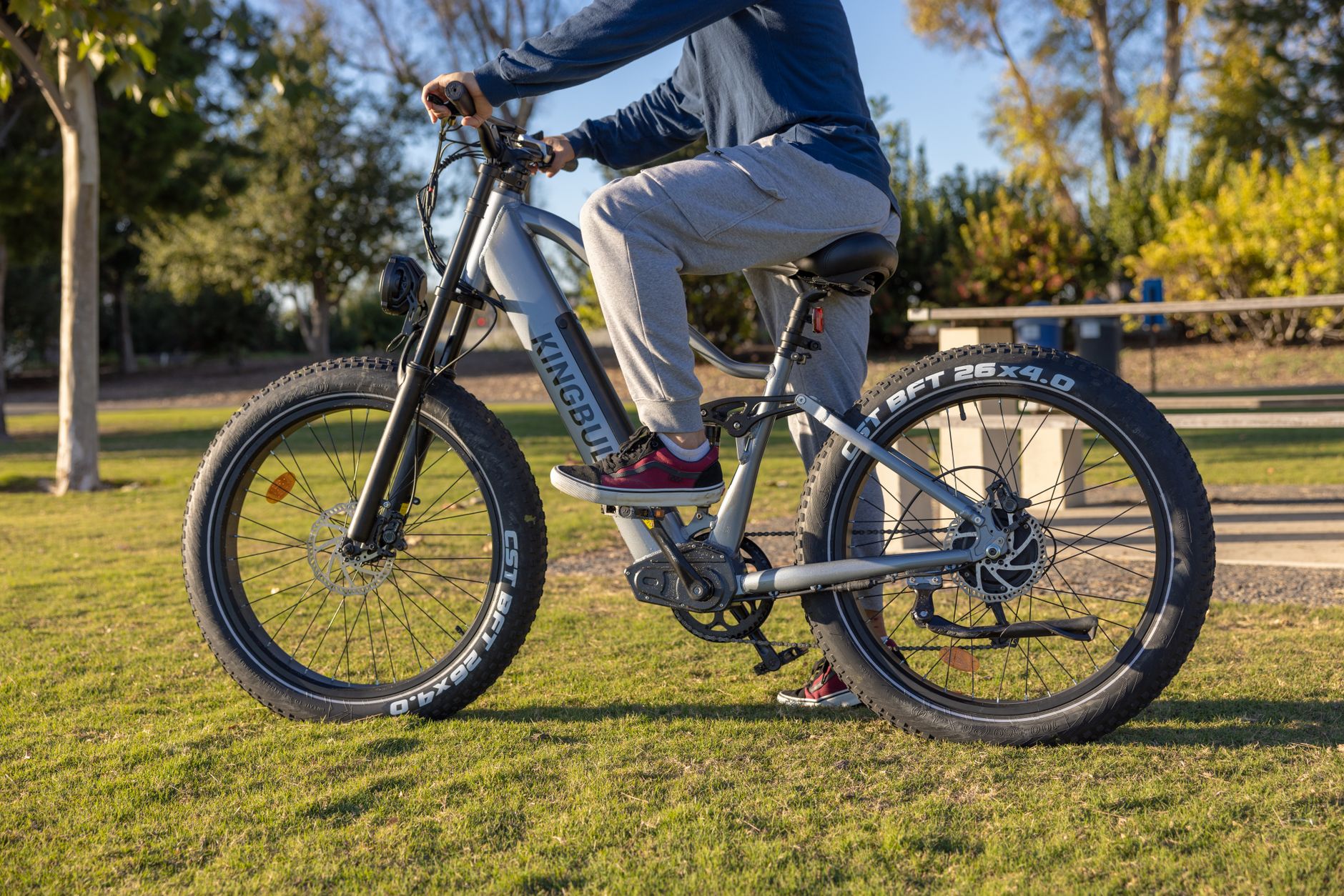
Before spending anything, be direct with yourself about your situation. E-bike car replacement works best when several conditions align:
- Trip distances under roughly 20–30 miles each way. Most cargo and commuter e-bikes offer real-world assisted ranges in that neighborhood, though range claims from manufacturers should always be treated as best-case figures achieved at low assist levels and on flat terrain.
- Moderate weather and reasonable infrastructure. A bike lane network, secure parking at your destination, and winters that don’t regularly dump ice make the equation dramatically more favorable.
- Manageable cargo needs. Grocery runs, work bags, and even young children (with the right cargo setup) are achievable. Hauling lumber or transporting multiple adults is not.
- Flexibility on timing. If every commute is time-critical and rain-proof, a car still wins on reliability. If you have some scheduling flexibility, the calculus shifts.
Studies of modal shift in European cities consistently show that e-bikes replace car trips at higher rates than conventional bicycles, particularly for commutes of five to fifteen miles. The assisted pedaling removes the “I’ll arrive sweaty” objection that keeps many would-be cyclists in their cars. That said, North American infrastructure varies enormously, and what works in a Dutch city or a dense U.S. metro may be impractical in a car-dependent suburb.
The Features That Actually Matter for Car Replacement
Not every e-bike is built for this job. A lightweight fitness e-bike optimized for weekend rides has a different design philosophy than a purpose-built commuter or cargo machine. When evaluating bikes for car-replacement duty, prioritize these characteristics:
- Integrated lighting (front and rear). Clip-on lights are easy to forget and easier to steal. A bike you’ll ride in dawn, dusk, and rain needs reliable, always-there illumination.
- Fenders and a chainguard. These are mundane but essential. Without them, a single wet commute ruins work clothes and turns the experiment into a short one.
- Rack compatibility or a built-in rear rack. Panniers dramatically expand carrying capacity. Look for a rear rack rated to at least 25 kg / 55 lbs if you plan to carry groceries or a laptop bag regularly.
- Hydraulic disc brakes. On a heavier loaded bike in wet conditions, mechanical disc or rim brakes are a meaningful safety downgrade. Hydraulics offer consistent, modulated stopping power regardless of weather.
- Torque sensor (vs. cadence sensor). Torque-sensing motors respond proportionally to how hard you pedal, making the ride feel natural and efficient. Cadence sensors — common on lower-cost bikes — deliver a more on/off assist that can be jerky and wastes battery.
- Battery capacity sufficient for your real round-trip distance, with margin. Divide the manufacturer’s claimed range by at least 1.5 to get a realistic figure under load and hills, then confirm your round trip fits comfortably within that adjusted number.
Cargo E-Bikes: The Strongest Car-Replacement Case
For households that need to carry children, large groceries, or gear, the long-tail and box-front cargo e-bike category makes the most compelling car-replacement argument. These bikes are heavier and less nimble than standard commuters, but their carrying capacity — often 300–400 lbs total load including rider — closes the gap with a car for everyday errands in a way that a standard commuter cannot.
The tradeoff is cost and practicality. Cargo e-bikes from established brands with solid warranty support generally sit at price points that require genuine financial commitment. best electric cargo bikes They are also physically large, which creates storage challenges in small apartments and makes them harder to bring indoors — a real concern for battery longevity in cold climates and for security in urban environments.
Without current confirmed pricing from verified sources, we won’t quote specific dollar figures here — but prospective buyers should research the total cost of ownership, including a quality lock (budget separately for this; it matters enormously), potential cargo accessories, and whether the manufacturer offers a local service network or at least mail-in repair support.
The Honest Tradeoffs Nobody Advertises
Every enthusiast article about e-bikes replacing cars underplays certain friction points. Here they are plainly:
- Theft risk is real and ongoing. E-bikes are high-value targets. A quality U-lock plus a secondary cable or chain lock is a non-negotiable operating cost, and even with excellent locks, covered or indoor parking is meaningfully safer.
- Battery degradation over time. Lithium batteries lose capacity with charge cycles and age. This is manageable — avoid storing at full charge for extended periods, keep the battery above freezing when possible — but it is a real long-term cost that car-replacement math should include.
- Weather is not always negotiable. A few hundred dollars in rain gear helps, but sustained heavy rain, ice, or extreme heat genuinely affects both rider comfort and bike longevity. Most honest car-replacers keep some backup transit option available.
- Maintenance still requires attention. Chains, brakes, and tires on a heavily used e-bike need regular servicing. The cost is far lower than car maintenance, but the expectation of zero maintenance is a setup for a breakdown at an inconvenient moment.
Regulation and Legal Context
E-bike classification laws vary by U.S. state and continue to evolve. The common three-class federal framework — Class 1 (pedal assist to 20 mph), Class 2 (throttle to 20 mph), and Class 3 (pedal assist to 28 mph) — shapes where you can legally ride. Some trails and paths restrict Class 2 or Class 3 bikes. Before purchasing, confirm which class your target bike falls into and whether that class is permitted on your primary routes. e-bike laws by state State-level incentive programs and utility rebates for e-bikes have also been expanding; checking your state energy office or local utility website before purchasing may reveal meaningful discounts.
The Evidence-Based Recommendation
If your daily trips are primarily under 15 miles each way, you have somewhere secure to store and charge the bike, and your route has at least minimal cycling infrastructure, an e-bike can credibly replace your car for the majority of your trips. The strongest candidates are purpose-built commuter or cargo e-bikes from brands with established service networks, torque-sensing mid-drive or quality hub motors, integrated accessories, and hydraulic brakes. best electric bikes for commuting
The clearest winner category for true car replacement is the cargo e-bike — it handles the child transport and grocery runs that defeat standard commuter bikes. The genuine flaw in that category is the combination of high purchase price, bulk, and theft vulnerability, which together mean that the cargo e-bike rewards riders who have secure storage and are genuinely committed to the lifestyle shift, not those testing the waters.
For riders on the fence, a strong intermediate step is starting with a capable commuter e-bike on your easiest regular route before committing to a cargo model. Real-world use will clarify your actual needs far more reliably than any spec sheet — including this one.
Sources
- No external source URLs were provided for this article. All specific pricing and model specifications have been intentionally omitted per editorial policy to avoid presenting unverified figures.
Disclosure: This article was produced with AI-assisted research and editing. VoltVentureLab.com may earn a commission on purchases made through links on this page.