
Choosing the right e-bike motor is a crucial decision that significantly impacts your riding experience, yet the options can often seem complex. This guide aims to clarify the core differences between hub and mid-drive motors, alongside explaining the important concepts of torque and cadence sensing. Understanding these distinctions will empower you to select the ideal motor for your specific needs and riding style.
Why the Motor Decision Matters More Than Battery or Brand
When shoppers compare e-bikes, they tend to fixate on battery capacity or top speed. But experienced riders and mechanics consistently point to the motor type and sensor system as the variables that most determine how an e-bike actually feels, how long its drivetrain lasts, and whether it suits a given riding style. Two fundamental choices shape every motorized bicycle on the market: where the motor sits (hub vs. mid-drive) and how it decides when to help you (torque sensing vs. cadence sensing). Getting these decisions right before you buy can mean the difference between a bike you ride daily and one that collects dust.
Hub Motors: The Reliable, Affordable Workhorse
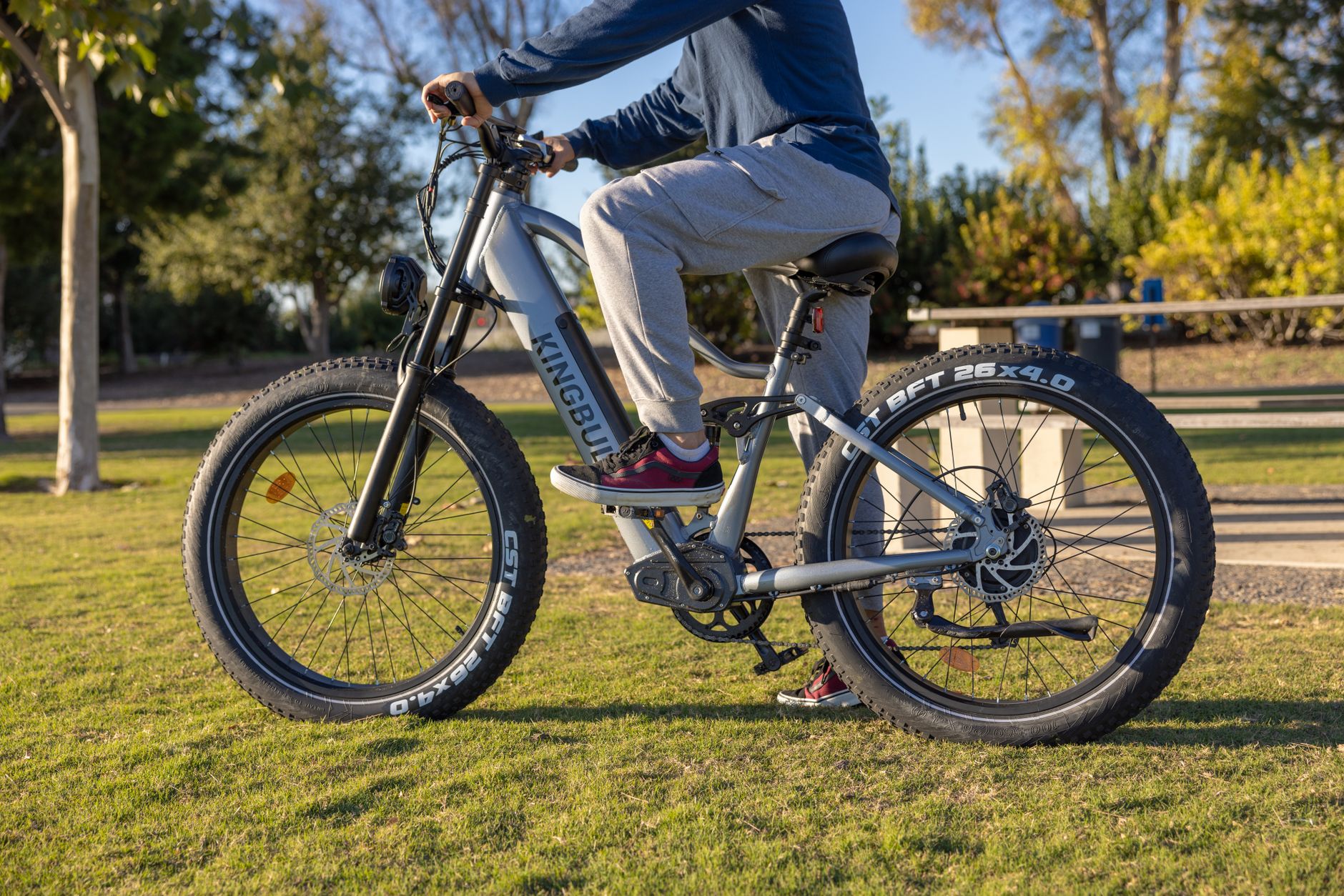
A hub motor is built directly into the center of either the front or rear wheel. It operates independently from the bike’s gears, which is both its greatest strength and its most significant limitation.
- Lower purchase price: Hub-drive systems are mechanically simpler to manufacture and integrate, which is why the majority of entry- to mid-range e-bikes use them. You’ll find hub motors across a very wide price spectrum, but they dominate the more affordable end of the market.
- Lower maintenance costs: Because the motor is sealed within the hub and disconnected from the chain and cassette, normal pedaling wear does not affect the motor, and vice versa. Standard drivetrain service is straightforward.
- Rear hub vs. front hub: Rear-hub motors provide better traction and a more natural ride feel because power is delivered where most bikes already put their weight. Front-hub motors are simpler to install and common on conversion kits, but they can produce a somewhat disconnected “pushing” sensation and are more prone to wheel slip on loose surfaces.
The core tradeoff is efficiency on varied terrain. Because a hub motor cannot take advantage of the bike’s gearing, it works at a fixed mechanical disadvantage on steep hills or when accelerating from a stop. It must spin the wheel directly, regardless of what gear the rider has selected. On flat urban commutes, this is rarely noticeable. On hilly routes or off-road trails, the limitation becomes meaningful — the motor works harder, draws more current, and generates more heat, which can reduce range and, over time, stress the motor.
Mid-Drive Motors: The Performance Choice With a Higher Price Tag
A mid-drive motor sits at the bike’s bottom bracket, spinning the crankshaft rather than a wheel hub. This placement means the motor’s power flows through the bike’s chain and derailleur system, so it benefits from every gear change the rider makes — just like leg power does.
- Better hill-climbing efficiency: By leveraging the bike’s gears, a mid-drive can maintain an optimal motor speed (RPM) on steep climbs, consuming less battery energy for the same output. This is why mid-drives are the near-universal choice for mountain e-bikes and cargo bikes designed for heavy loads.
- Improved weight distribution: Centralizing the motor mass low and between the wheels improves handling balance, particularly noticeable in technical off-road riding or when maneuvering a loaded cargo bike.
- Higher chain and cassette wear: This is the most cited and legitimate complaint among mid-drive owners. Because the motor multiplies force through the same drivetrain components a human uses, chains and cassettes wear significantly faster than on a comparable non-assisted or hub-drive bike. Owners of mid-drive bikes, particularly those who ride frequently or at high assist levels, should budget for more frequent drivetrain replacements. Some manufacturers now offer reinforced chains and chainrings specifically for e-bike use, which helps but does not eliminate the issue.
- Higher cost: Mid-drive systems from reputable manufacturers generally carry a price premium. This reflects both the engineering complexity and, in many cases, the proprietary integration between the motor, battery, and display systems offered by brands like Bosch, Shimano STEPS, and Brose.
For riders considering a mid-drive, see our best electric bikes guide for current models across price ranges.
Torque Sensing vs. Cadence Sensing: The Feel of the Assist
Separate from motor placement, the sensor system determines how naturally and responsively the motor delivers power. This is frequently overlooked in spec comparisons but is one of the strongest predictors of rider satisfaction.
Cadence sensors detect whether the rider is pedaling — essentially measuring if the cranks are turning — and switch the motor on or off accordingly. They are binary or low-resolution in nature: pedal and the motor engages; stop pedaling and it cuts. The assist level is controlled by the rider’s selected mode (low, medium, high), not by how hard they are pushing.
- Simple, durable, and inexpensive to produce
- Common on lower-priced hub-drive commuter bikes
- Can feel jerky or abrupt, particularly when starting from a stop or when the motor kicks in mid-pedal stroke
- Less intuitive for riders accustomed to unpowered bikes
Torque sensors measure the actual force a rider is applying to the pedals, typically multiple times per second, and scale the motor output proportionally. Push harder and the motor gives more; ease off and it backs down smoothly. The result is an assist that feels like a natural amplification of the rider’s effort rather than a motor switching on and off.
- Significantly more natural and intuitive ride feel
- More energy efficient in practice, because the motor responds to actual need rather than pedal rotation alone
- Standard on quality mid-drive systems; increasingly available on premium hub-drive models
- Higher cost to manufacture, which contributes to price differences at the consumer level
Owner reviews and expert consensus across the cycling press consistently identify torque sensing as the single feature that most changes how “bike-like” an e-bike feels. Riders who test both systems back-to-back overwhelmingly describe cadence-only systems as feeling mechanical and intrusive by comparison. If budget allows for only one upgrade, prioritizing torque sensing over a higher wattage rating is a well-supported recommendation. For a deeper look at how these systems compare in practice, see e-bike buying guide.
Which Combination Wins for Which Rider?
There is no single correct answer, but the evidence points toward clear patterns:
- Flat urban commuting, budget-conscious buyers: A rear hub-drive motor with cadence sensing is a defensible, practical choice. The terrain doesn’t expose the motor’s gearing limitations, maintenance is straightforward, and the lower cost is a real advantage.
- Hilly commutes or mixed terrain: A mid-drive motor with torque sensing delivers meaningfully better efficiency and ride feel. The drivetrain wear tradeoff is real and should be factored into the total ownership cost.
- Off-road and mountain riding: Mid-drive with torque sensing is the near-consensus choice among experienced riders and reviewed by most specialist outlets as the appropriate category for this use.
- Cargo and utility riders: Mid-drive systems handle sustained heavy loads more efficiently, though some purpose-built cargo bikes use high-powered rear hub motors with good results on flat ground.
If your budget is flexible and your terrain has any significant elevation, the mid-drive with torque sensing is the clear performance winner. The genuine tradeoff — faster drivetrain wear and higher upfront cost — is worth acknowledging honestly: plan for more frequent chain replacements and factor that into your cost comparison. For current model recommendations across these categories, see hub vs mid-drive e-bikes.
The Bottom Line
Buy for your actual terrain and riding style, not for peak specs on a sticker. A torque-sensing mid-drive on hilly ground will outperform a high-wattage cadence-sensing hub motor in both efficiency and feel. On flat ground, that difference narrows considerably and the simpler hub system earns its place. Prioritize the sensor system — torque vs. cadence — as seriously as you weigh motor placement, and you’ll make a better-informed decision than the majority of first-time e-bike buyers.
Sources
- No external source URLs were provided for this article. All claims reflect general, well-established technical principles of e-bike motor and sensor design. Readers are encouraged to cross-reference current manufacturer spec sheets and independent reviews before purchasing.
Disclosure: This article was produced with AI-assisted research and editing. VoltVentureLab.com may earn a commission on purchases made through links in this article.