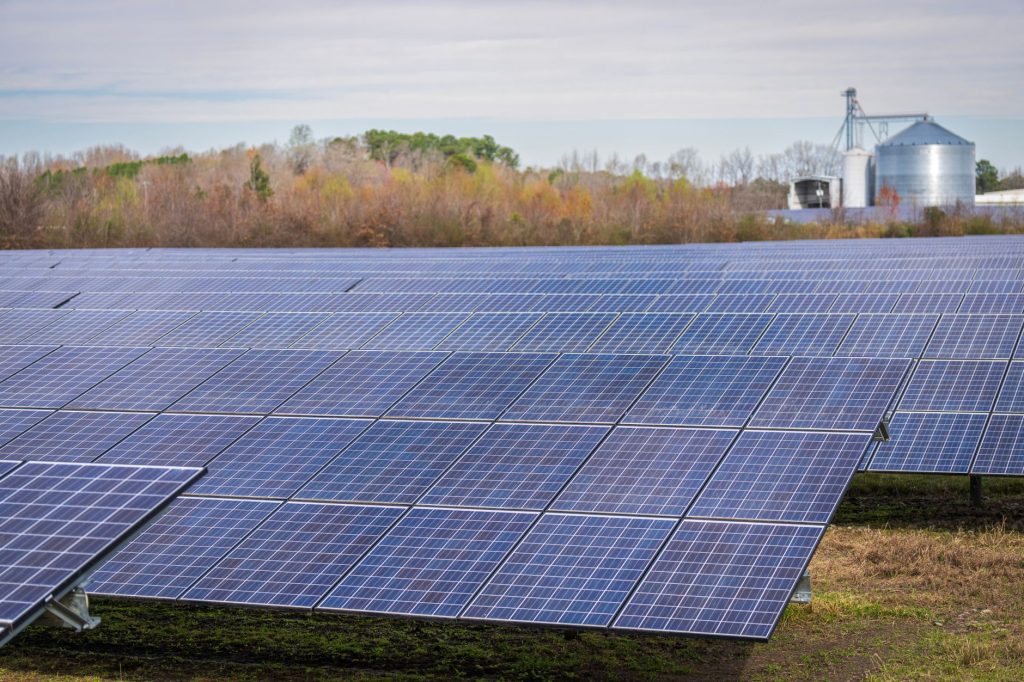
A reliable solar charge controller is essential for optimizing energy harvest and protecting your battery bank, yet choosing among the many options can be daunting. This comprehensive guide simplifies your decision by presenting well-regarded MPPT charge controllers for 2026, suitable for a range of system sizes and applications. Explore these researched selections to find the perfect fit for your solar power needs.
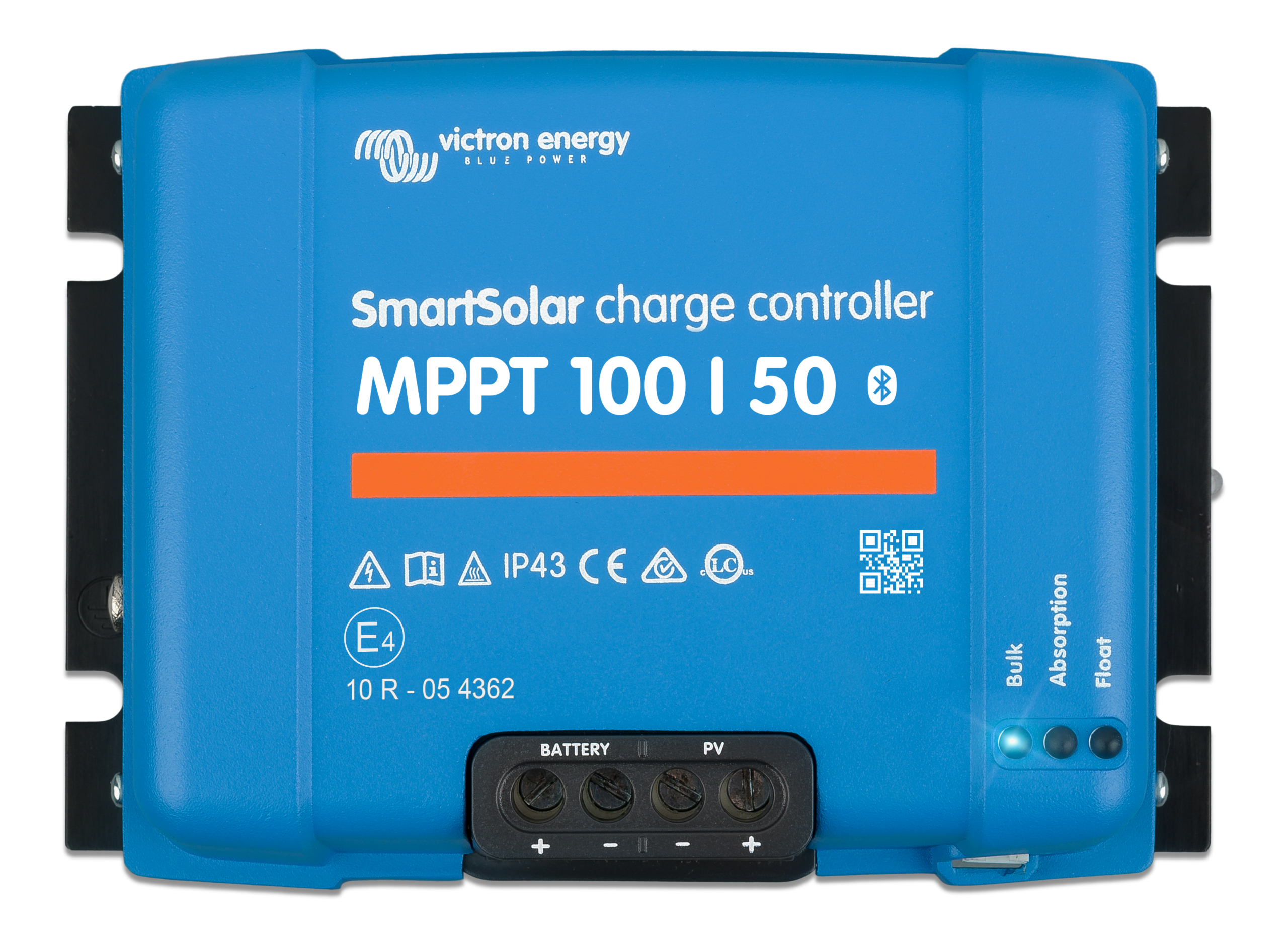 Top Pick
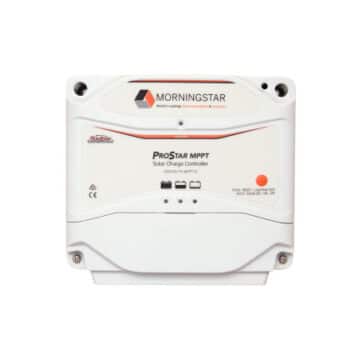 Budget Pick
How We Evaluated These Controllers

This guide is based on installer consensus, manufacturer specifications, and community forum research gathered from solar professionals, off-grid system designers, and verified buyer discussions through 2025. We did not conduct hands-on lab testing. Every price range and spec cited here is drawn from current market research and published technical sources — if something cannot be verified, we say so plainly. Our goal is to help you match the right MPPT controller to your actual system, not to sell you the most expensive one.
For context on how solar charge controllers fit into a broader off-grid or mobile power setup, see our guides on best solar generators and best lithium batteries for solar.
What Makes an MPPT Controller Worth Buying in 2025

Maximum Power Point Tracking (MPPT) charge controllers outperform older PWM designs by continuously finding the optimal operating point on your solar panel’s power curve. In practical terms, good MPPT controllers commonly run at 96%–99% peak conversion efficiency, which translates to meaningfully more usable energy harvested per day compared with PWM units, especially in low-light or cold conditions.
Before comparing brands, nail down these four specs for your own system:
- PV input voltage rating: This is the single most critical spec. Your array’s open-circuit voltage (VOC) — especially in cold weather — must stay safely below the controller’s maximum input voltage. Some installer guides specifically note that a 150V-rated controller would be undersized for certain array configurations and recommend choosing a unit with at least 166V of input headroom where the design calls for it. When in doubt, size up.
- Output current rating: Size with headroom. A commonly cited rule is to protect the battery-side wiring and fusing at 125% of maximum output current. If a system calls for 30A minimum, choose a controller rated above that.
- Battery voltage compatibility: Confirm support for your current bank — 12V, 24V, or 48V — and consider whether you may expand later. Many quality controllers auto-detect voltage, but verify this before buying.
- Battery chemistry and communications: Some premium controllers, particularly Victron, support closed-loop LFP communication over CAN bus, which allows the battery BMS and charge controller to coordinate in real time. If you’re running lithium iron phosphate batteries, this feature can meaningfully extend battery life.
The Best MPPT Solar Charge Controllers: Our Picks
Best Overall: Victron SmartSolar MPPT
Approximate US price range: $80–$900+ depending on model
Victron’s SmartSolar line is the most consistently recommended MPPT family across installer communities, off-grid forums, and professional solar designers. The range spans from compact units like the 75/15 (suitable for small cabin or RV setups) all the way to the 250/100 class for large residential or commercial arrays — giving buyers a single ecosystem to grow into rather than switching brands as their system scales.
The strongest differentiator is ecosystem integration. Victron’s Bluetooth app monitoring, VictronConnect software, and support for CAN-bus communication with compatible LFP battery systems are features that competing brands at similar price points simply do not match. For anyone building a serious off-grid or hybrid system, these tools reduce troubleshooting time and provide visibility into system performance that basic controllers cannot offer.
Genuine tradeoff: Victron units carry a meaningful price premium over budget competitors. A 100A Victron SmartSolar will cost considerably more than a comparable EPEVER unit. If your system is small, simple, and unlikely to expand, you may be paying for ecosystem features you’ll never use.
Best Budget Pick: EPEVER Tracer / XTRA Series
Approximate US price range: $60–$300+
EPEVER’s Tracer and XTRA families represent the strongest value-to-feature ratio in the mid-market segment. They are widely used in budget-conscious cabin builds, small RV systems, and first-time DIY installs where the priority is reliable MPPT harvesting without a premium price tag. For straightforward 12V or 24V systems with standard lead-acid or basic lithium setups, these controllers perform the core job well.
Genuine tradeoff: EPEVER units offer fewer premium ecosystem features than Victron, and community feedback suggests that customer support and software integration can be inconsistent. For mission-critical or expanding systems, the budget savings may not be worth the limitations.
Best for Industrial and Telecom Use: Morningstar TriStar MPPT
Approximate US price range: $300–$700+
Morningstar has a long-standing reputation for reliability in demanding, uptime-critical applications — telecom installations, remote monitoring stations, and industrial sites where a controller failure is not an acceptable outcome. The TriStar MPPT is built to those standards.
Genuine tradeoff: Morningstar units are typically more expensive and considerably less consumer-focused than mainstream DIY brands. The interface and setup process assume a degree of professional familiarity. For a weekend cabin or RV, they are usually overkill.
Best for Large Off-Grid Homes: MidNite Solar Classic
Approximate US price range: $350–$900+
The MidNite Solar Classic is a favorite among professional installers designing larger off-grid residential systems, particularly where the array layout involves long series strings or higher voltages. MidNite Classic units support input voltage up to 250V, which provides meaningful flexibility when sizing arrays for larger homes or unusual site conditions.
Genuine tradeoff: For small or simple systems, the Classic is genuine overkill. Its cost and complexity are justified at scale, not for a 200W cabin panel.
Best for Harsh Outdoor Environments: OutBack FLEXmax
Approximate US price range: $400–$900+
OutBack’s FLEXmax series is specifically highlighted by installers for performing reliably in harsh outdoor enclosures — high heat, dust, and demanding physical environments where mainstream controllers may struggle. If your installation is in a location with extreme ambient conditions, OutBack deserves serious consideration.
Genuine tradeoff: Higher cost and more specialized than mainstream options; less suited to simple or budget-driven builds.
Honorable Mention: Renogy Rover MPPT
Approximate US price range: $70–$300+
The Renogy Rover is a widely available, accessible option for RV owners and small DIY system builders. It is a reasonable starting point for new solar users who want a recognizable brand at an affordable price. That said, professional and installer communities do not consistently rank it as a top-tier choice for demanding or mission-critical applications — it is best understood as a solid entry-level option, not a long-term workhorse for serious builds. For related gear, see our best electric bikes guide if you’re powering an e-bike charging setup from solar.
Our Recommendation
For most readers building or expanding a real off-grid, RV, or home backup solar system in 2025, Victron SmartSolar MPPT is the clear overall winner. The combination of a broad model range (75/15 through 250/100), genuine Bluetooth/app integration, CAN-bus LFP battery communication, and strong installer community support makes it the most future-proof choice across system sizes. Yes, it costs more upfront than EPEVER or Renogy alternatives — that is a real tradeoff. But for anyone who plans to expand their system, integrate lithium batteries, or rely on their solar setup for primary power, the ecosystem value justifies the premium.
If budget is the primary constraint and your system is small and unlikely to grow, EPEVER Tracer or Renogy Rover represent honest, functional alternatives. For industrial uptime requirements, Morningstar. For large residential arrays with complex string designs, MidNite Solar Classic. Match the controller to your actual system — not to a marketing category.
Always verify current pricing at the time of purchase; the ranges cited here reflect general market conditions and can shift with supply and currency fluctuations.
Sources
- GreenLancer: MPPT Solar Charge Controllers Guide
- Victron Energy Community: MPPT Controller Sizing Discussion
- SunnyWell Energy: Best Solar MPPT Charge Controllers
- GoFast Campers Forum: Help Me Choose a Solar Controller for 2025
- YouTube: MPPT Solar Charge Controller Overview
- YouTube: Solar MPPT Controller Comparison
- YouTube: Off-Grid Solar Controller Guide
- Facebook Group: Solar Controller Recommendations Discussion
Disclosure: This article was produced with AI-assisted research and editorial review by the VoltVentureLab team. It may contain affiliate links; we may earn a commission on qualifying purchases at no additional cost to you.